
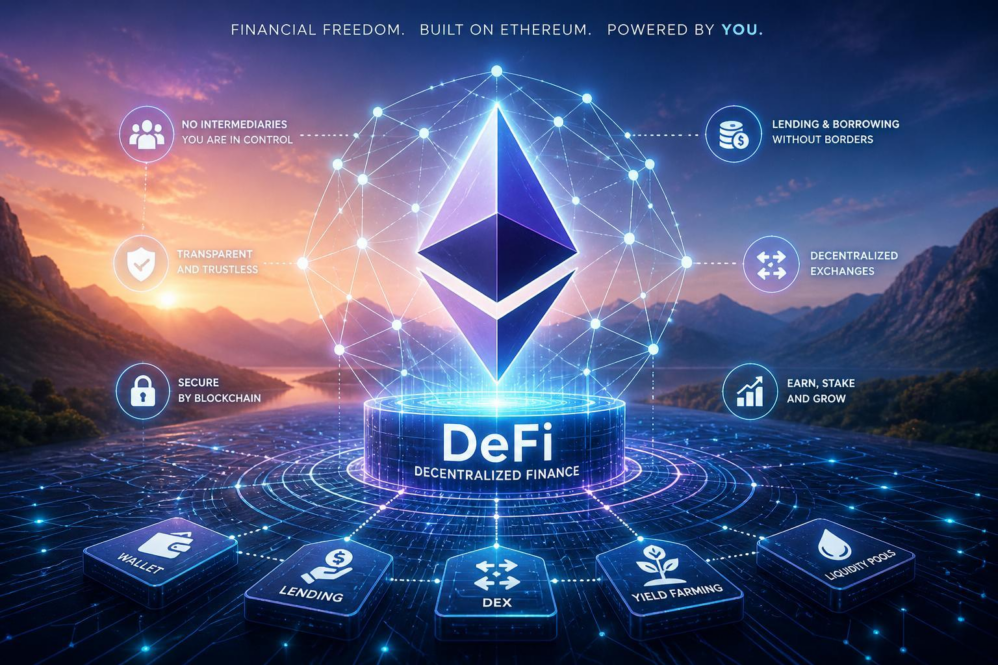
Mitigating Risks in a Decentralized Financial Ecosystem
requires a keen understanding of the vulnerabilities that arise within defi platforms. Smart contracts, the heart of these systems, often expose users to substantial risks that, if not managed wisely, can lead to notable financial losses. A major pitfall is the reliance on code perfection, given that smart contracts are executed exactly as their code is written-any flaw, however small, can be exploited by attackers. To minimize risks, it’s crucial to carefully vet each platform based on the security audits conducted by reputable firms.
Another critical aspect is being aware of malicious attacks, which can come in various forms such as phishing scams and rug pulls. These nefarious tactics aim to steal funds or manipulate markets, creating a hostile environment for uninformed investors.For instance, the 3Commas hack highlighted the importance of thorough security measures and prompt responses from platform providers when breaches occur. Users must stay vigilant and proactive, regularly updating their security protocols and educating themselves on the latest threats.
Regulatory uncertainties also loom large over the DeFi landscape. despite lacking a formal regulatory framework-similar to how FTX operated without strict oversight-DeFi platforms often face legal scrutiny due to their novel nature. This regulatory ambiguity affects investor confidence and can lead to unexpected legal issues. Therefore, it’s essential to adhere to regulatory news and guidelines, even if thorough legal frameworks are yet to be established, to avoid any unforeseen legal entanglements.
Lastly, operational failures due to human error or technological issues cannot be overlooked. liquidity fluctuation challenges are a prime example of the inherent instability within DeFi systems. Ensuring robustness and stability in a decentralized ecosystem demands continuous technological advancement and rigorous testing of platforms and their components. while absolute prevention seems unattainable,minimizing risk through meticulous maintenance and updates can significantly reduce potential losses.Below is a brief checklist to consider when navigating DeFi spaces:
| Aspect | Actions to Take |
|---|---|
|
Smart Contract Audit |
Check for reputable audits before investing |
|
Security protocols |
Regular update and review of security measures |
|
Regulatory Updates |
Stay informed about legal developments |

Strategic Recommendations for Engaging with DeFi Platforms
Strategic engagement with DeFi platforms requires a clear understanding of their potential benefits and risks. Firstly, due diligence is paramount. This involves researching the platform’s reputation, community supportand the security measures they have in place to protect user assets. A robust track record and transparent communication from the platform can be reassuring. However, users should also verify that a third-party security audit has been conducted to ensure the platform’s code is free from vulnerabilities.Secondly,it’s wise to start small and understand the ins and outs of the services offered. Engaging in microtransactions or experimenting with smaller amounts of digital assets can help users gauge the platform’s performance and reliability. This hands-on approach is akin to testing the waters before diving in deep. Users should familiarize themselves with the user interface, transaction feesand the specific features of the platform. This initial engagement often illuminates any technical barriers or limitations.
Understanding the nuances of governance and rewards structures is another crucial aspect. Many DeFi platforms offer governance tokens that give users a say in the direction of the project. participating in governance allows investors to influence decisions and potentially benefit from rewards, although this comes with its own set of risks and complexities. It’s essential to thoroughly review the governance documents and community discussions to grasp the full scope of involvement. users should keep an eye on reward distribution models and ensure they align with their investment goals.
Lastly, staying informed about regulatory developments and technological advancements is imperative. The regulatory landscape for DeFi is still formingand jurisdictions around the world are taking different approaches. Monitoring legal updates and engaging with community discussions can alert users to impending changes that may affect their investments. Simultaneously, keeping abreast of technological innovations in DeFi, such as upgrades to smart contracts and new financial instruments, is vital to staying ahead of the curve. Below is a simple table summarizing some key aspects to consider when engaging with DeFi platforms:
| Aspect | Considerations |
|---|---|
| Security | Verify third-party security audits and track record |
| User Interface | Ease of use, transaction feesand available features |
| Governance | Participate and influence decision-making processes |
| Regulatory Environment | Stay informed about legal developments and compliance requirements |


