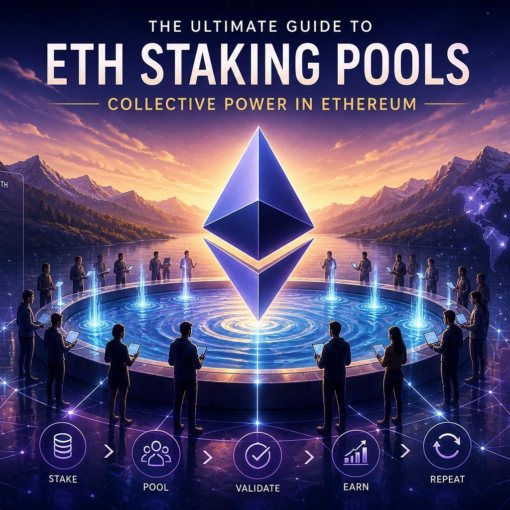
The Ultimate Guide to ETH Staking Pools: Collective Power in Ethereum
Discover the power of Ethereum staking pools in this comprehensive guide. Learn how collective staking enhances your returns and secures the network.

Ethereum
Discover the power of Ethereum staking pools in this comprehensive guide. Learn how collective staking enhances your returns and secures the network.
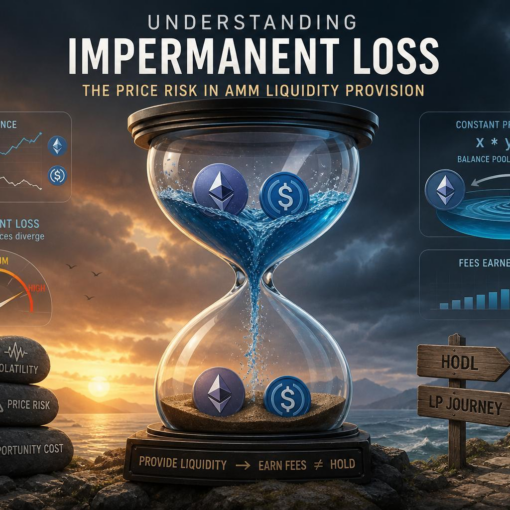
Impermanent loss looms over liquidity providers in AMMs, a hidden cost arising from price fluctuations. Understanding its mechanics is key to managing risks in DeFi.
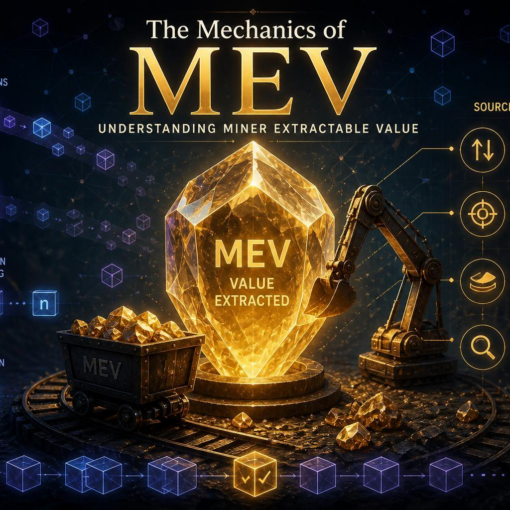
Miner Extractable Value (MEV) is a critical concept in blockchain economics, reflecting the potential profits miners can capture by rearranging transaction orders. Understanding MEV is essential for anyone involved in decentralized finance.
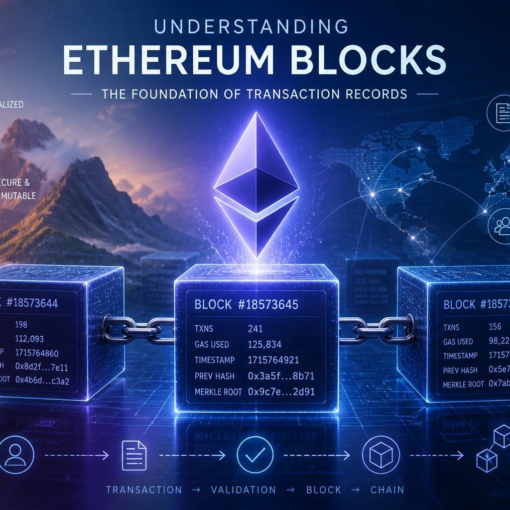
Ethereum blocks are the backbone of the network, storing transaction records and smart contract data. Each block links to the previous one, forming an unbreakable chain of truth. Understanding them is key to grasping Ethereum’s functionality.
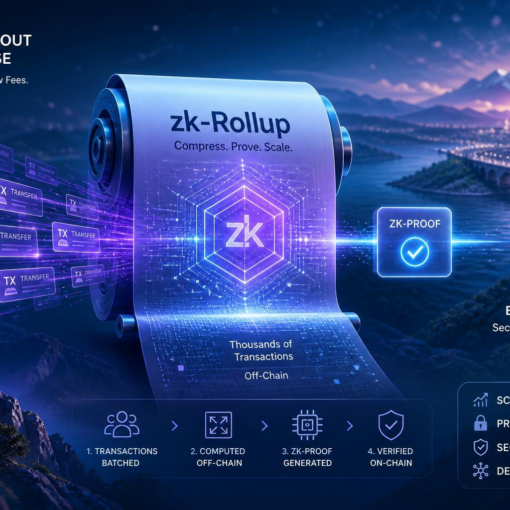
zk-Rollup technology promises to revolutionize blockchain scalability by enabling near-instant transactions at a fraction of the cost, making it a cornerstone for the future of decentralized finance and beyond.
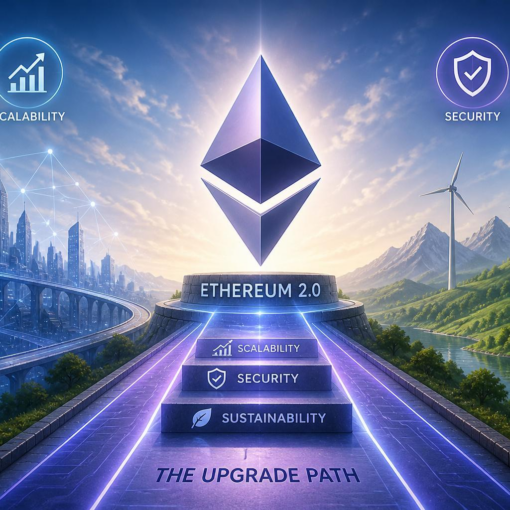
Ethereum 2.0 marks a pivotal shift, enhancing scalability, security, and sustainability through a novel proof-of-stake model and sharding, setting a new benchmark for blockchain technology.
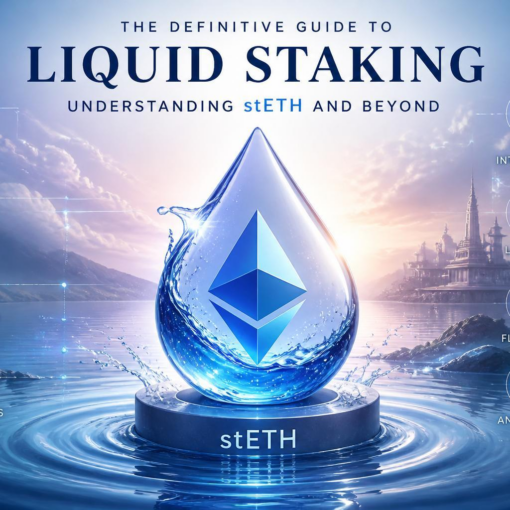
Dive into the world of liquid staking with stETH and grasp how this dynamic process transforms Ethereum staking into a more fluid and accessible financial instrument.

EIP-1559 has reshaped Ethereum’s economics, introducing a mechanism that burns a portion of transaction fees, potentially making ETH deflationary if network demand outstrips new supply, thus impacting long-term holder value significantly.
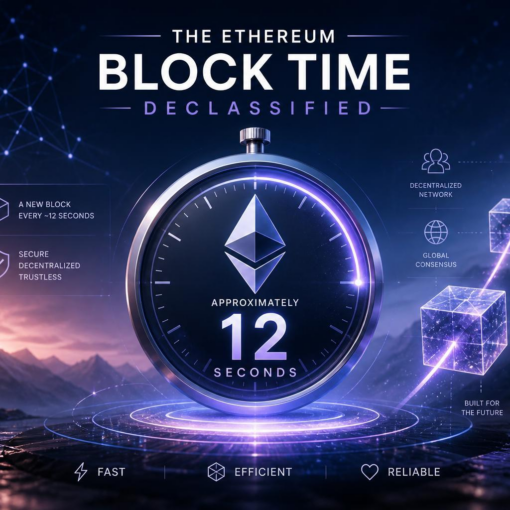
Understanding Ethereum’s block time is crucial for grasping its network dynamics. Typically humming around 12 seconds, this interval shapes transaction speed and security.
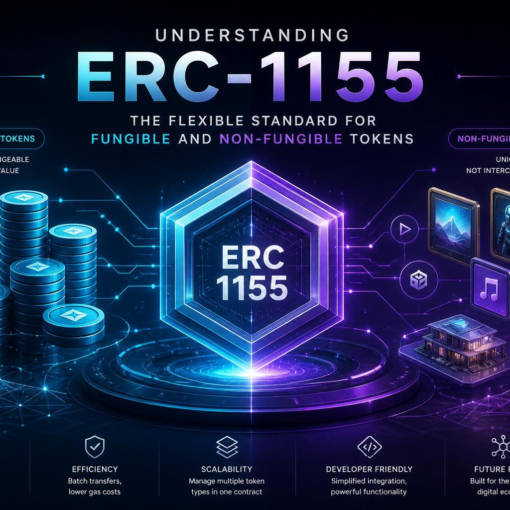
ERC-1155 stands out in the world of blockchain by combining the versatility of both fungible and non-fungible tokens into a single smart contract standard, offering developers a more efficient and flexible solution for token management.