
—
Understanding the Genesis of EIP-1559
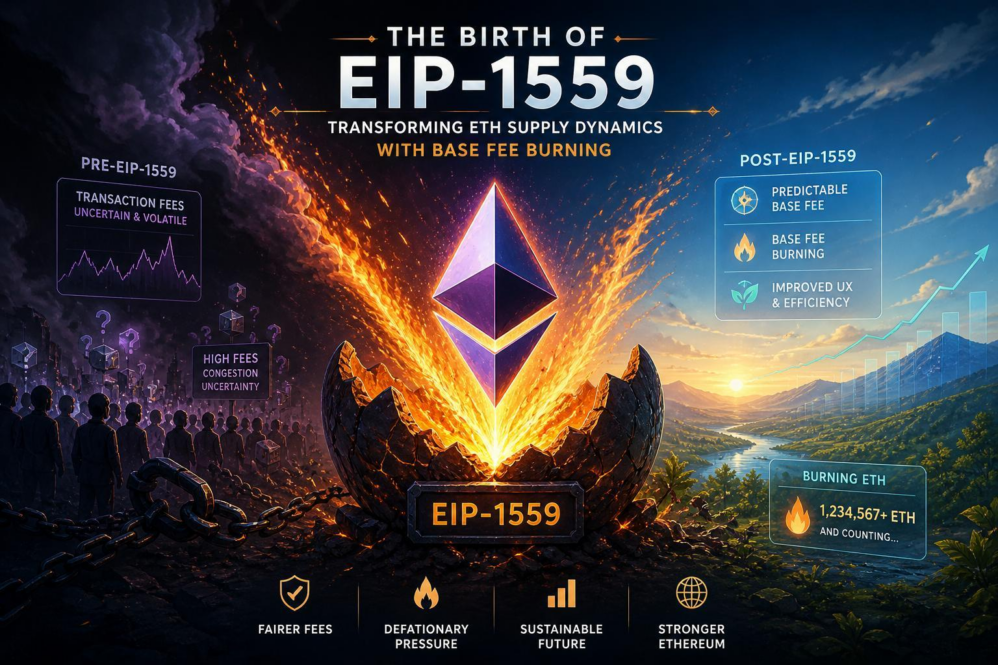
EIP-1559 came about as a solution to the challenges Ethereum faced with its transaction fee system. The original fee market model was unpredictable and volatile, leading to high transaction costs during peak times and low fees when the network was less busy. Vitalik Buterin and other contributors proposed EIP-1559 to introduce a more stable and fair approach. The core idea was to establish a base fee for each transaction that would adjust based on network demandand to burn any excess fees. This burning mechanism aims to reduce the circulating supply of ETH, addressing token inflation.
The Impact of Base Fee Burning
The introduction of base fee burning has had a meaningful impact on network congestion and transaction fees. Before EIP-1559, users frequently enough faced uncertain gas prices when sending transactions. With the new system, a standard baseline fee is set, making transaction costs more predictable. This predictability gives users better control over their transaction costs, enhancing the usability of the Ethereum network. by burning base fees,the system removes a significant amount of ETH from circulation,directly curbing supply growth and influencing the economic balance of the Ethereum ecosystem.
Network Health and Miner Adaptation
To understand the impact of EIP-1559 on the fee market,consider how it works during periods of high network activity.During busy times, the base fee increases to ensure transactions are processed efficiently without overwhelming the network. conversely, during quieter periods, the base fee decreases, allowing users to benefit from lower costs. This dynamic adjustment not only keeps the network healthy but also promotes fairness and competition among miners. Miners need to adapt to this new model, focusing on optimizing their block inclusion algorithms for efficiency and stability rather than just maximizing transaction fees.
Strategic Implications for Stakeholders
The strategic implications of EIP-1559 for Ethereum stakeholders are significant. For holders and long-term investors, the reduction in supply due to burning could possibly increase the intrinsic value of ETH over time. However, for miners and validators, the shift to a more predictable revenue model presents both challenges and opportunities. They need to consider choice revenue streams or optimize their operations to ensure profitability. The burning mechanism may also influence the issuance rate of ETH and affect its perceived deflationary characteristics.Despite these challenges, the overall impact is a more resilient and efficient Ethereum ecosystem, better positioned to support the growth of decentralized applications and the broader adoption of blockchain technology.
—


