
The Birth of Ethereum: July 30, 2015
On July 30, 2015, Vitalik Buterin unveiled Ethereum, a blockchain platform that transformed how we think about decentralized applications and smart contracts.

On July 30, 2015, Vitalik Buterin unveiled Ethereum, a blockchain platform that transformed how we think about decentralized applications and smart contracts.

Solidity is the backbone of Ethereum’s smart contracts, enabling developers to build decentralized applications with security and flexibility. As the de facto language for Ethereum, understanding Solidity is crucial for anyone diving into blockchain development.

Multisig wallets enhance security by requiring multiple private keys to authorize transactions, making them a crucial tool for safeguarding cryptocurrency assets against theft and fraud.

Ethereum public addresses are the digital identifiers that let you receive ETH and ERC-20 tokens. They’re vital for secure and smooth transactions on the Ethereum network.

Flash loans in DeFi are a unique financial tool, enabling borrowers to complete trades and repay loans in a single transaction, without the need for collateral. These lightning-fast loans are changing the game in decentralized finance.

Cryptographic hash functions are the backbone of digital security, transforming data into fixed-size hash values that ensure integrity and confidentiality in communications and storage.

DAOs, or Decentralized Autonomous Organizations, are reshaping how communities and projects operate online, governed by transparent, immutable smart contracts rather than hierarchical structures.

Discover the power of Ethereum staking pools in this comprehensive guide. Learn how collective staking enhances your returns and secures the network.

Impermanent loss looms over liquidity providers in AMMs, a hidden cost arising from price fluctuations. Understanding its mechanics is key to managing risks in DeFi.
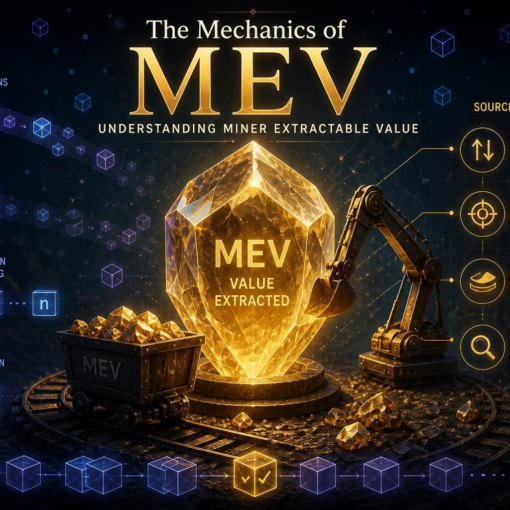
Miner Extractable Value (MEV) is a critical concept in blockchain economics, reflecting the potential profits miners can capture by rearranging transaction orders. Understanding MEV is essential for anyone involved in decentralized finance.