
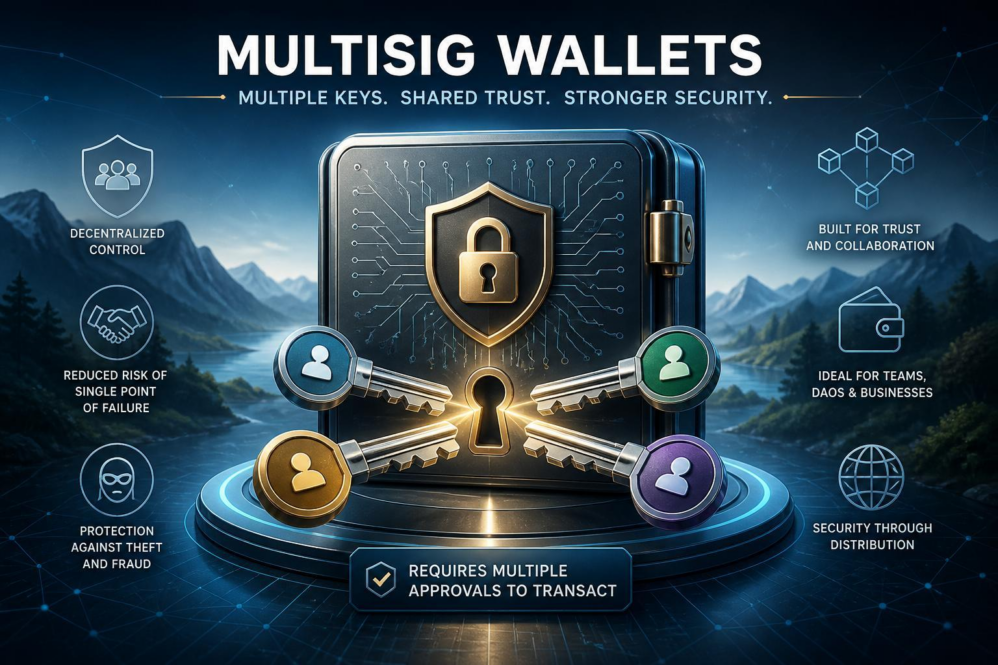
The Fundamentals of Multisig Wallets Explained
At the heart of multisig wallet technology lies the core principle of requiring multiple private keys to authorize cryptocurrency transactions. This mechanism ensures that no single individual or entity holds complete control over the assets stored in the wallet. By demanding multiple signatures, usually between two to five, a multisig wallet considerably enhances security.Each participant in a multisig setup must approve a transaction before it can go live, akin to needing multiple approvals in high-stakes corporate environments.
The need for multiple keys also addresses the inherent risks associated with conventional single-key wallets. If a hacker gains access to a private key linked to a large sum of cryptocurrency, they can swiftly empty the wallet. With a multisig arrangement, even if one person’s private key is compromised, the hacker cannot execute a transaction without the approval of other keys. This redundancy not only bolsters security but also introduces a layer of accountability and openness among wallet users.
To set up a multisig wallet, users often need to decide on the necessary threshold signatures, such as requiring at least three out of five keys to validate a transaction. this process requires a degree of trust and coordination among the key holders, each contributing thier portion of control.The table below outlines a simplified scenario for a typical multisig setup for three out of four required signatures.
| Wallet Owner | Key | Status |
|---|---|---|
| Alice | Key 1 | Active |
| Bob | Key 2 | Active |
| Charlie | Key 3 | Active |
| Dan | Key 4 | Active |
The table demonstrates a balanced allocation of keys, ensuring that each participant’s role is clearly defined. This setup allows for robust security while maintaining operational versatility. each key holder possesses equal obligation in safeguarding the wallet’s funds, making it nearly impossible for unauthorized transactions to occur without collective agreement.
Beyond just security, multisig wallets have emerged as a preferred method within decentralized finance (DeFi) ecosystems and other blockchain applications demanding heightened transaction safety and compliance standards. By requiring consensus across multiple keys, these wallets enable refined governance and management models, making them indispensable tools for enterprises, decentralized organizations, and individuals seeking a higher level of financial protection and transparency.
mastering Security Through Multiple Signatures
Mastering security in the realm of cryptocurrency transactions involves more than the traditional single private key wallet. Multisignatureor multisig, wallets are a cornerstone in this domain, requiring the approval of multiple authorized individuals to authorize a transaction. this adds an additional layer of security,making it significantly harder for unauthorized parties to gain access or drain funds from the wallet.
Implementing a multisig wallet structure necessitates a thoughtful organization of key holders and their respective permissions. Key holders must carefully define the threshold-the minimum number of signatures required for funds to be spent. For example,a 2-of-3 multisig arrangement would mandate two out of three key holders to co-sign a transaction before any action can be taken. This balance between security and flexibility is paramount in preventing abuse while allowing legitimate transactions to go through smoothly.
Maintaining control over multiple keys can be complex and requires meticulous management. Data integrity and operational efficiency are bolstered when each key holder’s responsibilities are clearly defined. As an example, key holders can be assigned roles such as “investor,” “administrator,” and “reviewer,” each with their own permissions and limitations. This setup not only enhances security but also streamlines decision-making and workflow processes.
To demonstrate the practical implementation of a 2-of-3 multisig setup, consider the following scenario:
| Role | Description |
|---|---|
| Investor | Responsible for initiating large transactions but needs approval from a second party. |
| Administrator | Lacks the ability to initiate transactions but has the authority to approve another key holder’s request. |
| Reviewer | Provides a final check and needs to approve before transactions can proceed. |
This structured approach ensures that only legitimate and authorized transactions are processed, significantly reducing the risk of fraudulent activities.
Practical Applications and Benefits of Multisig wallets
Multisig wallets offer a robust layer of security and control for users dealing with significant sums of cryptocurrency. By requiring multiple private keys to authorize transactions, these wallets help prevent unauthorized access and mitigate the risks associated with single-point vulnerabilities. Imagine a scenario where a cryptocurrency company uses a multisig wallet to protect its funds.In such cases, more than one person might be required to sign off on large transactions, ensuring that any major financial moves are vetted by multiple stakeholders. This distributed control helps safeguard funds from theft and human error.
one practical application of multisig wallets is in group or corporate settings, where a wallet might be shared among several members of a team or organization. Each member holds a portion of the wallet’s keys,and a predefined number must agree to a transaction. This setup is ideal for businesses managing large sums, ensuring that decisions are collaborative and reducing the chance of a single rogue individual compromising the entire fund.Similarly, for individuals who want an extra layer of protection, a multisig wallet can be a valuable tool to keep funds secure when one private key is lost or compromised.
Another significant benefit of multisig wallets is the flexibility they offer in terms of key distribution. Users can decide how many keys are required for a transaction based on their risk tolerance and the nature of the currency being stored. Creating a threshold of three or more keys adds a considerable barrier to entry for potential hackers trying to siphon off funds, enhancing the wallet’s security posture. This level of customization allows users to tailor their security measures to their individual needs without overly complicating day-to-day transactions.
To illustrate the practical implementation of multisig wallets, consider a simple table showcasing various configurations and their implications.each row represents a different scenario, with columns detailing the number of keys, the number required for a transaction, and a brief description of the setup’s security benefits.
| scenario | Number of Keys | Keys Required | Security Description |
|---|---|---|---|
| Basic Security | 2 | 1 | Simple setup; suitable for users with lower risk exposure. |
| Team authorization | 3 | 2 | Corporate habitat; requires two out of three keys for transactions. |
| High Security | 5 | 3 | Robust protection; requires collaboration and consensus for transactions. |
These configurations demonstrate the versatility of multisig wallets in providing adaptable security solutions,whether for individuals,small teams,or large organizations managing significant cryptocurrency holdings.
Navigating the Challenges of Implementing Multisig Solutions
Implementing a multisig wallet solution might sound straightforward, but it often presents a labyrinth of challenges that require careful navigation. Chief among these is understanding the security trade-offs that come with introducing multiple key requirements. Instead of a single key, a user must manage several private keys, each acting as a piece of the puzzle to unlock funds.This complexity can deter users who are accustomed to the simplicity of traditional wallets. To mitigate this, integrating user-pleasant interfaces that simplify the process of managing and signing transactions with multiple keys is crucial. Education also plays a vital role in this context,as educating users on the benefits and practices of multisig can alleviate their initial apprehension and hesitation.
Another significant challenge is the integration of multisig solutions with existing systems. While blockchain technology has matured, compatibility with legacy financial systems and software remains an issue. This gap can restrict broader adoption and implementation. A phased approach that bridges old and new technologies might be the best strategy, enabling gradual and seamless integration while addressing technical constraints. As a notable example, creating intermediary solutions that act as a bridge between traditional payment systems and the blockchain can ease the transition.
Security is another cornerstone concern for multisig wallets. With the rise of sophisticated cyber threats,ensuring the integrity of multiple private keys and the dialog channels between them is paramount.Implementing advanced cryptographic techniques to protect against interception and tampering is essential. Moreover, incorporating redundancy and fail-safes, such as backup key mechanisms, ensures reliability in case of user loss or compromise of keys. These measures not only enhance security but also build user confidence in the robustness of multisig wallets.the regulatory landscape poses a unique set of challenges. As multisig wallets involve multiple parties and jurisdictions, deciphering the legal implications and regulatory requirements can be daunting.This complexity necessitates a detailed understanding of local and international regulations relevant to digital asset management. Creating clear guidelines and compliance frameworks that cater to diverse legal environments can provide a roadmap for developers and users, making the process of transitioning to multisig wallets more straightforward. This balance between innovation and regulation is crucial in fostering a secure and supportive ecosystem for multisig wallets.
Strategic Recommendations for adopting Multisig Wallets
adopting multisig wallets is a strategic move that can significantly enhance the security of your cryptocurrency holdings. Multisig wallets require multiple keys to authorize transactions, creating a barrier that reduces the risk of unauthorized access or theft. This process ensures that no single user has complete control over the funds, which is a critical aspect of risk management in the volatile cryptocurrency market. By implementing this strategy, businesses and individuals can protect themselves against both internal and external threats.
To effectively integrate multisig wallets into your financial strategy, consider collaborating with other trusted parties. This approach not only increases security but also facilitates better decision-making when it comes to managing funds. As an example, if you’re handling funds for a decentralized autonomous organization (DAO), involving multiple members in every transaction might seem cumbersome, but it’s a necessary measure for accountability and transparency. A well-structured multisig setup can automate the process of requiring multiple signatories, making it less of a hassle and more a seamless part of your operation.
Selecting the right service provider is crucial when transitioning to multisig wallets. Look for platforms that offer a user-friendly interface and a robust set of tools to simplify the management of multiple signatures. Some providers might excel in features such as real-time transaction monitoring, alert systems for unusual activityand integration with accounting software. These features can simplify your workflow and offer peace of mind regarding security and compliance. consider the platform’s track record and reputation in the community for reliability and security.
For a more detailed comparison, the table below offers a quick glance at three popular multisig wallet providers. Each provider offers unique advantages and may cater to different needs, depending on your specific requirements and preferences. Remember, the choice should align with your security policies and operational needs.
| Provider | Key Features | Unique Selling Proposition |
|---|---|---|
|
BitGo |
User-friendly interface, real-time monitoring |
High transparency and detailed report generation |
|
copay |
Simplicity in setup, Android and iOS compatibility |
Multi-sig wallet with easy-to-use mobile apps |
|
GreenAddress |
HD wallet support, security audits |
Offers extensive educational resources on security practices |


