
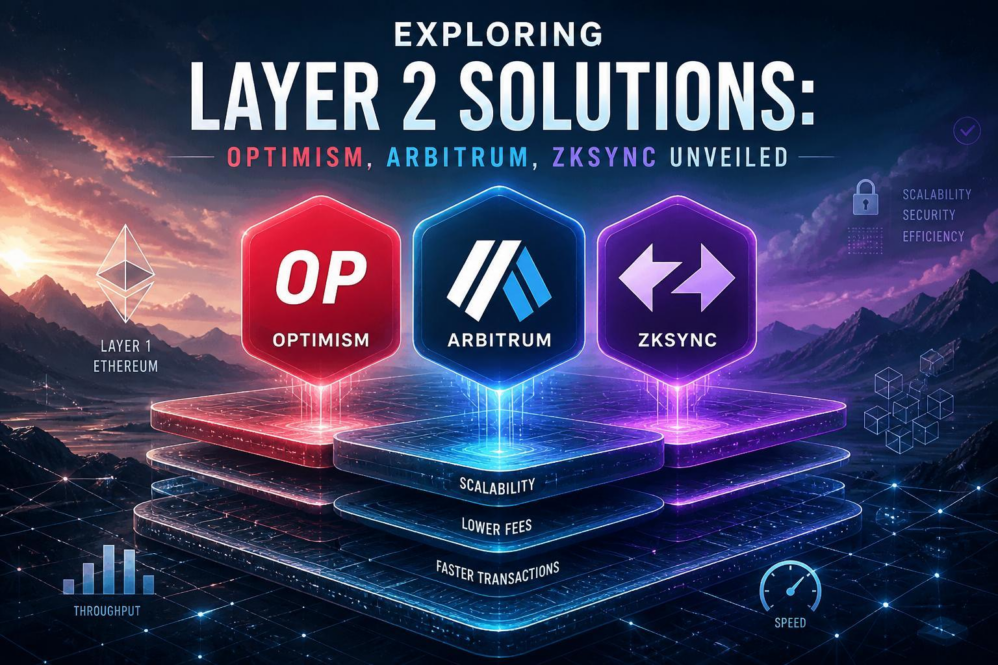
Layer 2 Scaling Explained: Why Optimism, Arbitrum, And ZkSync Matter
Layer 2 scaling solutions are pivotal in addressing the congestion and inefficiencies that Ethereum faces.These enhancements aim to boost the network’s capacity by offloading transactions from the main Ethereum blockchain. Optimism, Arbitrumand zkSync stand out for their innovative approaches to resolving these bottlenecks, ensuring that the Ethereum ecosystem remains vibrant and adaptable.
Optimism and Arbitrum, often dubbed “optimistic rollups,” function by bundling large transactions into smaller packages and verifying them off-chain. this reduces the load on the Ethereum mainnet, allowing for quicker and cheaper transactions. On the other hand,zkSync,a zero-knowledge proof rollup,uses a unique cryptographic method to verify transactions without revealing sensitive information. This approach offers the promise of extremely fast and secure transaction processing, ideal for a diverse range of decentralized applications.
One of the key advantages of these solutions lies in their ability to enhance transaction throughput and lower gas fees, making interactions on the Ethereum network more accessible to a broader audience. each platform has its own unique features, wiht some focusing more on privacy and others on transaction speed.For instance, while both Optimism and Arbitrum prioritize efficiency, zkSync introduces a distinctive edge through its use of zero-knowledge proofs for greater data privacy.
To better understand the nuances and strengths of these solutions, Table 1 presents a concise comparison of Optimism, Arbitrumand zkSync.
| Platform | Type | Primary Focus |
|---|---|---|
| Optimism | Optimistic Rollups | Efficiency,Scalability |
| Arbitrum | Optimistic Rollups | Efficiency,User Experience |
| zkSync | Zero-Knowledge Proofs Rollups | Data Privacy,transaction Speed |

Diving Into Optimism: A Unique approach To Ethereum Scaling
Optimism, a term often associated with a sense of hope and positive outlook, finds a unique application within the realm of Ethereum scaling solutions. In the context of blockchain technology,optimism takes on a more technical meaning,referring to a method that relies on optimistic assumptions about user behavior. This approach, pioneered by the Optimism project, offers a fresh perspective on how to handle the scalability challenges plaguing Ethereum. The essence of Optimism lies in its trustless nature and the innovative use of zero-knowledge proofs for fraud detection, ensuring a balance between speed and security.
At its core, Optimism operates by pushing transactions off-chain, significantly reducing the load on the main ethereum network. This off-chain layer processes and batches transactions, which are then submitted to the Ethereum mainnet for validation. The process is akin to the way optimistic assumptions fuel a hopeful mindset, where the system assumes that transactions will follow the expected rules and only challenges them if proven fraudulent. As a result,users and developers can enjoy faster transaction times without sacrificing the robust security that Ethereum is known for.
To better understand the inner workings of Optimism, consider a simplified model of its operations. When a user initiates a transaction, it gets processed by the Optimism layer, which bundles multiple transactions together to reduce the number of on-chain operations.If any transaction is flagged as suspicious or fraudulent, a challenge period begins, during which validators can dispute the validity of the transaction. This mechanism ensures that the system remains secure even as it scales to handle a larger volume of transactions.
In essence, Optimism addresses the core pain points of Ethereum’s current scaling challenges, primarily by reducing congestion and transaction costs.This layer-2 solution stands out in its ability to strike a balance between speed and security,promising a brighter future for Ethereum users. with its unique approach to scaling,Optimism embodies the spirit of optimism in more ways than one-a promising progress for the decentralized finance and broader blockchain communities.
Table 1: Optimism’s Core Features
| Feature | description |
|---|---|
| Off-Chain Processing | Batches transactions for faster processing. |
| Fraud Proofs | Uses zero-knowledge proofs for validating transactions. |
| Trustless | Ensures security without relying on any central authority. |
Arbitrum Revealed: Maximizing Efficiency In The ethereum Ecosystem

At the heart of ethereum’s scalability solutions lies Arbitrum, designed to address the scalability trilemma – security, decentralizationand efficiency. By enabling off-chain computation and on-chain settlement,Arbitrum maximizes network efficiency while maintaining the integrity and security of the Ethereum mainnet. This protocol achieves notable transaction throughput, reducing congestion and lowering gas fees, making it an attractive option for developers and users seeking robust and efficient blockchain services.
Arbitrum stands out for its use of optimistic rollup technology, a method where transactions are executed and recorded off-chain. This off-chain execution drastically reduces the burden on the Ethereum network, minimizing latency and costsand ensuring all transactions are ultimately verified on the Ethereum mainnet. This approach is both secure and trustless, as disputes can be settled by the mainnet, albeit with notable cost and time penalties, ensuring that every transaction is thoroughly validated.
Arbitrum’s key features include its ability to maintain full decentralization while offering high transaction volumes and lower costs. This is accomplished through the use of optimistic rollups, side chains, and cross-rollup interaction protocols that enable seamless interoperability within the Ethereum network ecosystem.
One of the most compelling aspects of Arbitrum is its straightforward setup with existing Ethereum tools and ecosystems. This makes it accessible to developers and easy to implement, with minimal disruption to existing systems. The table below illustrates the comparison of key features between Arbitrum, Optimismand zkSync, highlighting Arbitrum’s strong points in adaptability and security:
| Feature | Arbitrum | Optimism | zkSync |
|---|---|---|---|
| Rollup Type | Optimistic | Optimistic | Zero-Knowledge |
| Latency | Sub-second | Around 5 mins | Instant |
| Security Model | Trustless | Trustless | Trustless |
| Transaction Costs | Lower than Optimism | Lower than mainnet | Very low |
ZkSync Unveiled: The Power Of Zero-Knowledge Proofs in Blockchain
ZkSync emerges as a pioneering Layer 2 scaling solution that harnesses the power of zero-knowledge proofs to significantly enhance the efficiency and accessibility of blockchain transactions. By employing this cryptographic technique, zkSync enables users to transfer tokens and execute smart contracts with minimal fees, a stark contrast to the resource-heavy procedures of the Ethereum network. This innovative approach not only optimizes transaction speeds but also reduces the environmental impact by minimizing energy consumption.
To understand the profound impact of zero-knowledge proofs, it’s essential to grasp the mechanics behind this technology. Essentially, zkSync uses these proofs to verify the integrity of transactions without the need for public disclosure of the underlying information. This method ensures privacy and security while dramatically lowering transaction costs. A primary advantage of this approach is that it allows for the offloading of computational work from the main Ethereum network to zkSync, significantly decreasing congestion and improving overall network performance.
In practice, zkSync introduces a range of benefits for both end-users and developers. For users,it means faster and cheaper transactions,making decentralized finance (DeFi) applications more accessible and user-pleasant. For developers, the platform offers a robust development surroundings with tools and resources to build complex applications without worrying about network scalability issues. zkSync supports the creation of diverse and innovative applications within the Ethereum ecosystem, fueling the growth of the decentralized web.
To illustrate the comparative advantages, here’s a simple breakdown of functionalities available on zkSync against its counterparts in the Layer 2 space. The table below outlines the key features,highlighting the unique benefits of zkSync’s approach to zero-knowledge proofs and its implications for the broader blockchain ecosystem.
| Functionality | zkSync | Other Layer 2 solutions |
|---|---|---|
| Transaction Cost | Significantly reduced | Higher compared to zkSync |
| Transaction Speed | Faster | Slightly slower |
| Privacy | Enhanced | Basic to intermediate |
This nuanced approach not only positions zkSync as a useful tool but also underscores its potential to redefine the landscape of decentralized finance and blockchain applications.
Choosing the Right Layer 2 Solution: Practical Insights And recommendations
When selecting a Layer 2 solution for your Ethereum-based projects, consider the unique strengths and weaknesses of each platform. Leading options such as Arbitrum, Optimismand zkSync each cater to different needs and preferences. arbitrum is a standout choice for DeFi applications, offering robust security and high throughput.Meanwhile, Optimism excels in multi-chain infrastructures, making it a versatile player for projects across various ecosystems. zkSync, on the other hand, is celebrated for its speed and low transaction fees, thanks to its efficient use of zero-knowledge proofs.
For developers and businesses, there’s no one-size-fits-all approach to choosing the right Layer 2 solution. Factors like transaction speed, development ease, security, and cost must all be carefully considered. To narrow down the options, you might find it helpful to consider user volume and community support. A vibrant and active community can lead to better long-term support and innovation. you should examine the project’s roadmap to gauge future potential and alignment with your long-term goals. These are key criteria to keep in mind when comparing the top Layer 2 solutions.
creating a simple comparison can provide clarity.Here’s a fast look at the standout features of Optimism, Arbitrumand zkSync-note that this doesn’t cover every detail but gives a sense of the distinctive advantages each offers:
| Layer 2 Solution | Key Advantage | Use Case focus |
|---|---|---|
| optimism | Multi-chain infrastructure support | Multi-chain, cross-platform services |
| Arbitrum | Strong security for DeFi applications | DeFi, liquidity poolsand lending |
| zkSync | speed and low transaction fees | General, low-cost transactions |
Lastly, keep in mind that the best Layer 2 solution isn’t just about technical prowess; it’s also about matching your project’s goals and vision. As new updates and integrations roll out, the landscape of Layer 2 solutions continues to evolve, offering more flexibility and customization. Regularly assessing and adjusting your choice can help you stay competitive and innovative in the decentralized finance space.


