Understanding the Basics of Ethereum Wallets
At the core of any venture into the Ethereum ecosystem lies a fundamental tool: the Ethereum wallet. Irrespective of whether you’re a seasoned investor or a curious beginner, an Ethereum wallet serves as the foundation for managing your crypto assets, engaging with decentralized finance (DeFi)and even storing digital art pieces in the form of nfts. This critical component connects you to the blockchain, allowing you to interact with the ethereum network, wich powers various applications beyond just storing and transferring the ETH cryptocurrency.
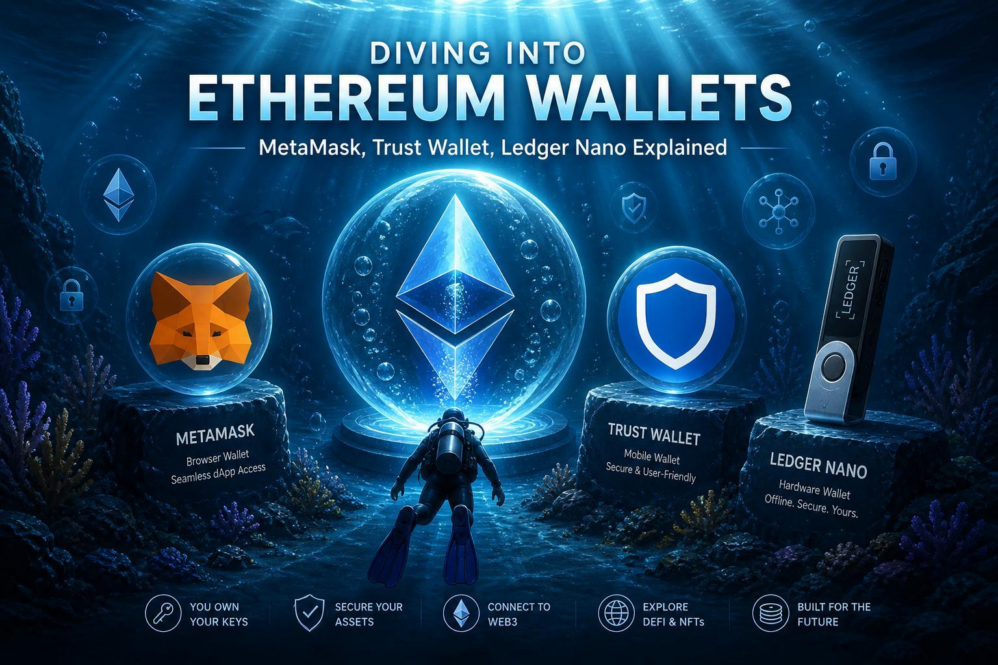
A variety of options emerge when you start exploring Ethereum wallets,each catering to different needs-be it security,ease-of-use,or specific features. Cold wallets, like the ledger Nano, prioritize safety by providing hardware solutions that isolate your digital assets from online threats. In contrast, software wallets like MetaMask and Trust Wallet offer ease and accessibility, allowing users to store and manage their private keys directly from their web browsers or smartphones. These differences stem from the design principles of security and convenience, each with its own set of pros and cons.
To understand the nuances between these wallets, one must consider the concept of ‘cold’ versus ‘hot’ storage. A cold wallet essentially keeps your private keys offline,ensuring that your assets remain untouched by cyber threats. Conversely,a hot wallet keeps your private keys in an environment connected to the internet,offering greater accessibility at the expense of increased vulnerability.Each type of wallet is suited to different scenarios, making the choice ultimately depend on the user’s specific needs and risk tolerance.
Understanding these distinctions is crucial before diving into specific products like Ledger Nano, MetaMask, or Trust Wallet. However, it’s essential to evaluate these wallets not just through a lens of technology but also in terms of usability and community support. For instance, while hardware wallets offer a fortress-like defense against theft, software wallets such as MetaMask boast a user-friendly interface and deeper integration with various web3 services. Each wallet, therefore, doesn’t merely provide a method to store ETH but also shapes how you interact with the broader Ethereum landscape.
MetaMask: A Comprehensive Guide for Web3 Integration
MetaMask stands out as a versatile player in the realm of Ethereum wallets, offering users more than just safekeeping of crypto assets. For starters, it doubles as a browser extension, seamlessly integrating with popular web browsers like Chrome and Firefox. This makes it incredibly user-friendly for beginners and seasoned veterans alike, bridging the gap between the traditional web and the decentralized web (Web3) ecosystem. MetaMask’s extensive feature set includes token swapping capabilities, allowing users to trade thousands of tokens across multiple blockchain networks. Whether you’re engaging with DeFi platforms, NFT marketplacesor simply swapping ERC-20 tokens, MetaMask provides the tools you need right in your browser.
One of the standout features of MetaMask is its trade module, which caters to those looking to actively manage their crypto investments. Users can trade tokens, perpsand even tokenized stocks all within the MetaMask interface, all while retaining full control over their private keys. This level of self-custody ensures not only security but also the freedom to choose how and where to manage your crypto assets. The integration with Mastercard through MetaMask Card adds an extra layer of convenience, enabling users to spend their crypto at any merchant that accepts Mastercard. The ability to earn rewards by staking ETH and securing the Ethereum network further incentivizes users to engage with the platform.
Accessing your portfolio and managing your assets with MetaMask is as straightforward as clicking a few buttons. By connecting your MetaMask account,you gain a single-window view into your crypto holdings,recent transactions,and staking rewards. This consolidated view simplifies the monitoring and management of your digital assets, making financial oversight as simple as it can be within the complex world of Web3.For users seeking additional resources or support, MetaMask offers robust customer assistance through various channels, including a help center, community forums, and live chat with support agents.
To summarize, MetaMask’s comprehensive features set it apart from other ethereum wallets. It stands alone in offering self-custodial options for trading, stakingand even day-to-day finances with its unique offerings. Below is a quick comparison of features that highlight why MetaMask is a go-to choice in the crowded space of Web3 wallets.
| Feature | MetaMask | Trust Wallet | Ledger Nano |
|---|---|---|---|
| Custody Options | Self-Custody | Hot Wallet | Hardware Wallet |
| Token Swapping | Yes, across chains | Yes, Ethereum only | No, 3rd party apps required |
| Trade Cryptocurrency | Yes, extensive selection | Yes, limited selection | No, 3rd party software required |
| Mastercard Support | Yes, through MetaMask Card | No | No |
Trust Wallet: Balancing Security and Ease of Use for Ethereum Users
Trust Wallet, a frontrunner in the crypto wallet arena, stands out for its blend of security and user-friendliness, a crucial balance for Ethereum enthusiasts. Unlike MetaMask, which integrates directly with web browsers for seamless transactions, Trust Wallet offers a standalone application that extends beyond Ethereum to over 100 blockchains. This versatility allows users to manage a wide array of cryptocurrencies and tokens, including non-fungible tokens (NFTs) and decentralized finance (DeFi) assets.
What sets Trust Wallet apart is its commitment to private key management. The wallet keeps your private keys on your device, ensuring that your assets remain secure without intermediaries. This self-custody feature provides users with complete control over their funds, mitigating the risk of unauthorized access or hacking that could compromise your digital assets. Trust Wallet’s user interface has been meticulously designed to cater to both newcomers and experienced traders.The dashboard presents a clear overview of your holdings while also providing direct access to features like staking and swapping tokens.
To further enhance security, Trust Wallet employs robust encryption methods and regularly updates its security protocols to protect against emerging threats. The wallet app also features an airtight backup system, allowing users to restore their wallet easily if the device is lost or damaged. While some users might find the initial setup process slightly more cumbersome compared to MetaMask, the benefits of having control over one’s keys are undeniable. Trust Wallet’s support for a broad range of smart contract platforms and DeFi projects makes it a go-to choice for those exploring these areas.
Below is a comparison of some key features between Trust Wallet and Ledger Nano, highlighting why each might be the preferred choice for different types of users:
| Feature | Trust Wallet | Ledger Nano |
|---|---|---|
| Supported Blockchains | Over 100 blockchains | About 60 blockchains |
| Private Key Storage | On-device encryption | Hardware secure element |
| Accessibility | Web, iOS, Android, desktop browser extension | Hardware device, mobile application |
For users weighing the pros and cons, Trust Wallet’s ability to integrate with a wide range of apps and services makes it a flexible option compared to Ledger Nano, which may require more setup but offers unparalleled hardware security. Both wallets serve a critical role in secure asset management, but Trust Wallet’s ease of use and versatility can make it notably appealing for those who prioritize convenience alongside strong security measures.
Ledger Nano: The Gold Standard in Hardware Wallet Security
The Ledger Nano is the go-to choice for those seeking the highest level of security in hardware wallets, setting a new standard within the cryptocurrency community. its latest model, the Ledger Nano Gen5, exemplifies what security should be in the digital age. It’s a device that combines the elegance of a sleek touchscreen interface with the robustness of modern security technology. The Secure element, a dedicated chip within the wallet, ensures that your private keys remain offline and secure, away from the prying eyes of hackers and phishing scams. This security model is reinforced by the Ledger OS, which operates solely to safeguard your funds and provide you with peace of mind. The secure touchscreen, which is a direct upgrade from previous models, makes it impossible for malicious software to intercept your PIN or passphrase during the setup process.
One of the standout features of the Ledger Nano Gen5 is its customization options and clear integration with the broader Ledger ecosystem. It supports over 3,000 cryptocurrencies and tokens, making it incredibly versatile for a wide range of users. The Clear Signing feature allows you to review each transaction before sending it, offering an extra layer of protection against accidental or unauthorized transactions. Security-wise, it’s worth noting that the Gen5 also comes equipped with scam protection, which acts like an additional shield against nefarious actors looking to dupe you. This makes the Ledger Nano a must-have device for anyone serious about keeping their crypto safe.when setting up your Ledger Nano Gen5, the process is straightforward and hassle-free. You’ll need to install the Ledger Live software, which can be downloaded from the official ledger website, to manage your wallet’s settings and monitor your portfolio. The Ledger Live app provides a user-friendly interface for adding new coins and managing your crypto assets effectively. What sets the Nano series apart is its compact design, allowing you to carry your crypto wallet everywhere securely. The inclusion of Secure Touchscreen in the Gen5 also adds an extra layer of interaction security, as you can feel the physical touch response when you type your PIN.
To highlight the comparisons that some users might be interested in, let’s take a quick look at how the Ledger Nano Gen5 stacks up against its predecessors, such as the Nano S and Nano X. While all three models offer rock-solid security,the Gen5 introduces a few notable improvements. Its larger 2.8-inch touchscreen screen provides a clearer and more detailed interface, making it easier to navigate through menus and confirm transactions. the addition of scam protection, clear signingand improved UI elements make the Nano Gen5 a compelling option for anyone looking to upgrade their current wallet or venture into hardware wallet territory for the first time. This table summarizes the key differences:
| Model | Screen Size | Key Features |
|---|---|---|
| Ledger Nano S | 1.3 inches (monochrome) | Simplified UI, compact size, basic OS features |
| Ledger Nano X | 1.3 inches (colour) | BLE connectivity, larger UI elements, improved OS features |
| Ledger Nano Gen5 | 2.8 inches (color) | Clear signing, scam protection, enhanced UI, Secure Element chip |
Ultimately, the Ledger Nano Gen5 is the undeniable king of hardware wallets, offering unparalleled security and functionality for crypto enthusiasts who demand the best.
Choosing the Right Ethereum Wallet: Considerations and Recommendations
When diving into the world of Ethereum wallets, it’s crucial to understand the nuances that set each option apart. As a notable example, MetaMask stands out due to its convenience and ease of use, especially for those familiar with web3 development and decentralized applications.For users who prioritize security and physical separation between their wallet and internet access, hardware wallets like Ledger nano shine. Yet, the choice may also depend on the specific features you value, such as direct support for staking or NFT management.
In terms of security, a hardware wallet like the Ledger Nano provides an extra layer of protection against online threats by allowing users to store their private keys offline. When it comes to usability, MetaMask offers a more streamlined web-based approach, integrating directly with browser extensions to facilitate interaction with various decentralized apps and services. Trust Wallet, another popular choice, is notable for its ability to manage multiple cryptocurrencies and support for various blockchain networks beyond Ethereum.
Given the diverse needs of users, considering the following factors can guide your decision-making process:
A simple HTML table can encapsulate these details efficiently, highlighting critical aspects for your consideration. While deciding,users should look into:
| Factor | MetaMask | Trust Wallet | Ledger Nano |
|---|---|---|---|
| User-friendliness | High | Moderate | Moderate |
| Security | Moderate | High | Very High |
| Cross-chain support | Limited | Very High | Limited |
Ultimately,while MetaMask is an excellent choice for web3 developers and frequent DApp users,individuals looking for a portable solution might benefit more from a hardware wallet such as the Ledger Nano. This distinction underscores the importance of understanding your needs before choosing a wallet,ensuring that your funds stay both secure and accessible in the dynamic world of cryptocurrency.


