
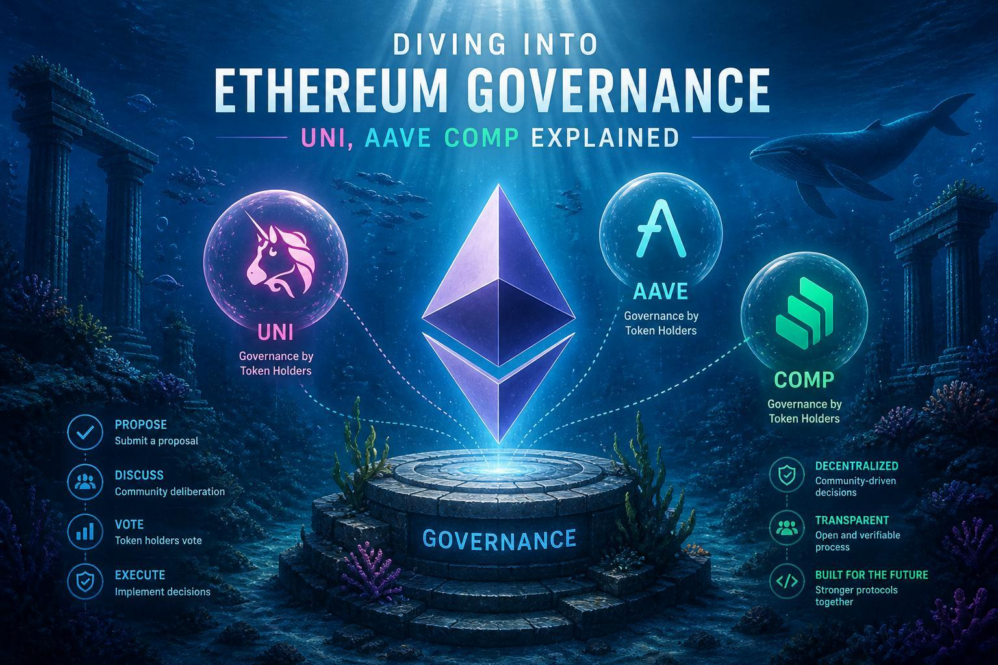
Within the AAVE governance framework, stakeholders can propose and vote on changes to smart contracts and other aspects of the protocol.This open-door policy allows for innovative ideas to be introduced and implemented without the need for intermediaries. The governance process is transparent and accessible, reflecting Aave’s commitment to decentralization and community empowerment. With multiple modules and risk profiles available through Aave Pro, the token holders’ influence expands across different dimensions of the protocol, catering to a diverse range of users and use cases.
| Proposal Category | Description |
|---|---|
| Asset Addition | Introduces new assets to the ecosystem, broadening the range of tradable and storable assets. |
| Risk Parameter Change | Alters the risk parameters for protocol health and stability, ensuring a balanced risk/reward profile. |
| General Advancement Proposals | Covers a wide range of protocol improvements, from UI enhancements to backend optimizations. |
This table provides a glimpse into the depth of influence that AAVE governance token holders wield over the Aave protocol, showcasing the power vested in the token ecosystem for shaping the future of decentralized finance.
COMP Governance Mechanics and Their Impact on DeFi Projects
The governance token COMP plays a pivotal role in the decentralization of DeFi protocols, especially within the Compound platform. Holding COMP grants its holders the right to vote on proposals that affect the platform’s operations, securityand development.This democratic approach aims to ensure a balanced governance model were every stakeholder’s voice is considered. Votes are cast in a way that reflects the tokens’ proportional distribution, allowing for a fair representation of stakeholder interests.
As holders cast their votes, governance proposals range from minor adjustments to major overhauls, impacting the platform’s financial instruments and operational philosophies. One such dynamic is the ability to approve or reject interest rate changes, influencing borrowing costs and lending rewards. the governance community can veto potential threats, ensuring the platform’s security remains robust. This system fosters an environment where the community is actively involved in the platform’s direction and evolution.
To manage and track these votes more effectively, Compound uses on-chain governance mechanisms, where every proposal’s lifecycle is transparently recorded on the Ethereum blockchain. This transparency not only bolsters the trust and integrity of the platform but also allows for continuous improvement based on community feedback and collective wisdom. Below is a simplified example illustrating the stages a governance proposal might go through within this system:
| Stage | Description |
|---|---|
| Proposal Submission | Community members submit their ideas through smart contract interfaces. |
| Discussion Period | Active participants discuss and refine the proposal to iron out any ambiguities. |
| Voting Activation | Voters sign up to vote using their COMP tokens. |
| Execution | Proposals pass or fail based on the voting results, with accepted proposals being implemented within the system. |
This structured approach ensures that each governance decision is both deliberated upon and democratically decided, reflecting the true spirit of decentralized finance.
Given the intricate relationship between COMP and the Compound protocol, the token is integrated into various aspects of the platform, beyond just governance. For instance, COMP also determines the distribution of trading fees and the ability to earn rewards by supplying liquidity. This multifunctionality underscores the token’s importance, as it acts not only as a governance tool but also as a core economic mechanism within the ecosystem.
Strategic Recommendations for Stakeholders in Ethereum Governance
As Ethereum continues to evolve, stakeholders in governance must navigate a complex ecosystem that balances innovation and stability. Effective governance requires a keen awareness of the system’s intricacies and the ability to predict and react to changes.One of the key components is the protocol’s ability to incentivize participation through staking, which not only secures the network but also provides a framework for decision-making among its members.
For token holders and developers, engaging in governance involves more than financial interests. It demands a strategic approach, understanding the rights and responsibilities in the Ethereum ecosystem. Voting on proposals, which range from technical upgrades to economic policies, is a critical aspect. This can influence the direction of development, securityand community welfare.Stakeholders should familiarize themselves with the current governance models and their impact on the network’s future.
Creating a streamlined and user-amiable system for participation is vital. This includes setting up clear channels for interaction and easy-to-navigate interfaces for voting and proposal creation. Table 1 below outlines the basic steps a stakeholder can take to engage effectively with Ethereum governance:
| action | Clarification |
|---|---|
| Follow relevant community discussions | Stay informed through forums, social mediaand dedicated platforms. |
| Participate in governance votes | Cast your vote on proposals to influence the direction of the network. |
| Submit proposals | Propose new projects or changes to the protocol using the established channels. |
Another crucial aspect is fostering a healthy ecosystem for developers and users. This involves not just technological improvements but also social aspects, such as building a community that encourages collaboration and innovation. The Ethereum network’s strength lies in its diverse and motivated community. By promoting inclusivity and support for new projects,stakeholders can ensure the longevity and adaptability of the platform.


