
Understanding The Role Of DAI In The Crypto Ecosystem
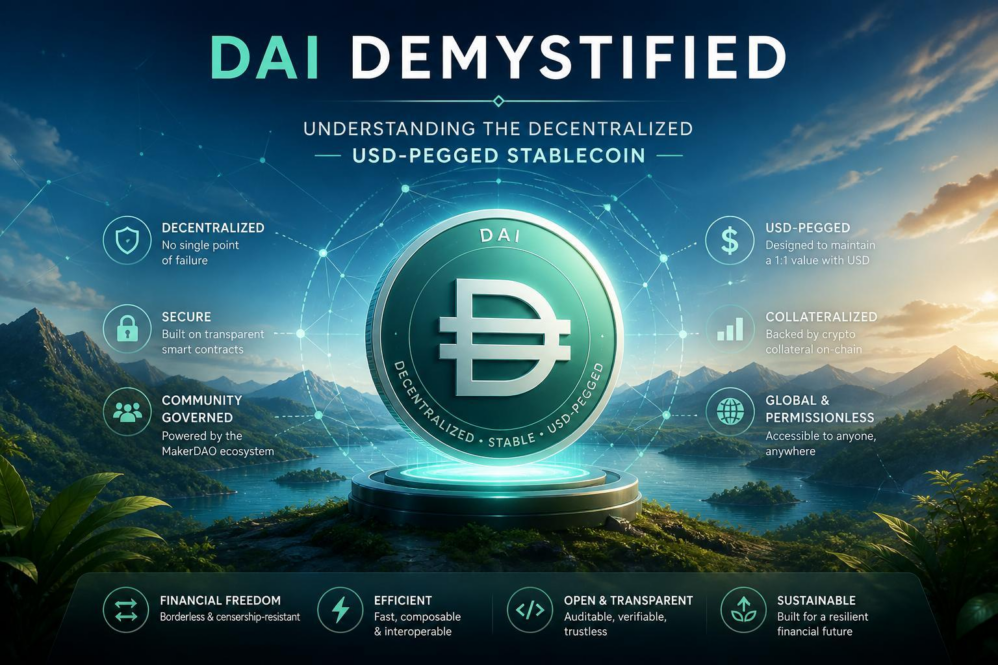
DAI stands out in the crypto ecosystem for its unique role as a decentralized, USD-pegged stablecoin. Built on the Ethereum network, DAI aims to provide stability and predictability amidst the volatility common in other cryptocurrencies. Unlike traditional stablecoins that often rely on centralized backing, DAI’s decentralization hinges on collateral in other crypto assets to secure its value. This approach not only reduces dependency on single entities but also enhances transparency and trustworthiness.Here’s a closer look at how DAI operates within this ecosystem:
To maintain its peg to the US dollar, DAI requires a system of collateral management, which is where the Maker protocol comes into play. When users want to mint DAI, they need to lock up collateral-typically ETH or other ERC-20 tokens-into a smart contract managed by Maker. Overcollateralization is critical; users must put in more value than the DAI they intend to generate, allowing the system to cover any potential losses from fluctuating asset prices. This process is essential for stabilizing the DAI price, ensuring that it remains close to the dollar.
Despite its robust design, DAI’s ecosystem is not without challenges.One key concern is the overcollateralization requirement, which can be a barrier for many users who might prefer more flexible collateral options.the volatility of crypto collateral impacts DAI’s stability, as fluctuations in the value of locked assets can influence DAI’s overall supply and demand dynamics. Users must carefully manage their collateral levels to avoid liquidation, which can be a complex task for newcomers to the space.
To better illustrate the operational mechanics of DAI, consider Table 1 below. It outlines a simplified example of how DAI is generated and managed within the Maker protocol ecosystem.
| Action | Description |
|---|---|
| Collateral Lock-In | Users lock in collateral to a smart contract to mint DAI. |
| Minting DAI | DAI is generated based on the collateral value and current collateral ratio. |
| Redemption | Users can redeem their collateral for DAI at any point, burning DAI in the process. |
| Liquidation | If collateral falls below the minimum ratio, DAI is burnedand remaining collateral is liquidated. |
Understanding these dynamics is crucial for anyone looking to integrate DAI into their crypto strategies, highlighting the need for a deep dive into the technical underpinnings and practical implications of using this innovative stablecoin.
The Mechanics Behind DAI’s Price Stability
Underpinning DAI’s price stability is a complex yet elegant mechanism designed to ensure that the stablecoin remains pegged to the US dollar without the need for centralized governance. This stability is achieved through overcollateralization of assets in the MakerDAO system,which acts as a buffer to absorb market volatility. The collateral can be in the form of various cryptocurrencies,creating a diversified layer of security. When a user locks up their crypto as collateral, they generate DAI for immediate use or trade.
Maintaining the stability of DAI involves the concept of the Stability Fee, a dynamic interest rate that adjusts based on the demand for DAI and the liquidity of the collateral. This rate ensures that there is always a sufficient premium to incentivize users to repay their DAI loans, thereby preventing overleveraging. When the Stability Fee is high, it discourages new DAI generation, reducing systemic risk and bringing the price of DAI closer to the peg. Conversely, when the Stability fee is low, it encourages DAI creation and supports the stability of the ecosystem by ensuring a steady flow of new currency.
A crucial aspect of stability is the use of auctions, specifically the Surplus and deficit auctions. These mechanisms act as the market’s hands to buy and sell MKR tokens, automatically adjusting the stability fee and keeping the DAI price stable. For instance, if DAI’s price rises above $1, surplus auctions sell MKR tokens and bring prices back to the peg. On the other hand, if DAI falls below $1, deficit auctions buy MKR from the market, which then stimulates the creation of more DAI to increase liquidity and stabilize the price.
the mechanics behind DAI’s stability also rely heavily on the transparency and decentralization of the MakerDAO protocol, minimizing the risk of centralized control or manipulation. This open-source system allows anyone to audit the code and understand the rules governing DAI’s issuance and management. The system operates on the Ethereum blockchain,leveraging smart contracts to execute all operations in a trustless and transparent manner. This decentralized approach strengthens the resilience of DAI against market fluctuations and regulatory challenges, setting a benchmark for future stablecoin projects.
| Stability Mechanism | Function |
| Surplus Auction | Sells MKR to stabilize DAI price if above $1 |
| Deficit Auction | Buys MKR to stabilize DAI price if below $1 |
| Stability Fee | Adjustable interest rate based on market conditions |
Evaluating The Security And Transparency Of The MakerDAO Protocol
When , it’s essential to recognize that the system operates as a decentralized autonomous institution (DAO) on the Ethereum blockchain. This structure inherently promotes security through its open-source nature, allowing anyone to review and verify the protocol’s code. Transparency is a cornerstone of MakerDAO, with governance decisions being made openly by MKR token holders, ensuring that everyone has a voice in the future direction of DAI.
one of the most notable features of the MakerDAO protocol is its transparent governance model. Decisions affecting the protocol are proposed and voted on by the community, reflecting a democratic approach rather than a centralized body making unilateral decisions. This method not only fosters trust among users but also ensures the protocol remains responsive to the needs of its community.
MakerDAO’s transparency extends to its financial health and stability, with the system operating on a reserve ratio to maintain DAI’s peg to the US dollar. Users and observers can monitor the reserve ratio and other critical financial metrics via the MakerDAO Dashboard, ensuring a clear understanding of how well DAI is holding its value.
Security measures in MakerDAO include the use of smart contracts, which are audited by independent third parties to identify potential vulnerabilities. The protocol’s overcollateralization requirement means that DAI is backed by real assets stored in the MakerDAO system, typically collateralized by ETH or other cryptocurrencies. This setup acts as a safeguard, reducing the risk of DAI becoming to volatile or losing its peg to the US dollar.The transparent and secure nature of the MakerDAO protocol can be further illustrated through a simple comparison of its governance model against more centralized stablecoin systems. A table below breaks down the key differences:
| Governance Model | Decision Making Process | Financial Transparency |
|---|---|---|
| MakerDAO (DAO) | Proposed by the community; voted on by MKR token holders | Open access to financial health metrics and governance proposals |
| Centralized (Bank-like) | Unilateral decisions by a central authority | Opacities regarding decision-making processes and financial metrics |
Strategic Uses Of DAI For Investors And Traders
When it comes to investing and trading on cryptocurrency exchanges, DAI offers a unique solution for traders looking to mitigate volatility risk. DAI, a decentralized stablecoin pegged to the US dollar, operates on the Ethereum blockchain, offering a stable value that remains constant even as the market swings. This stability makes DAI a go-to choice for those aiming to hold their assets while waiting for the right moment to enter or exit trades.Here’s how DAI can be used strategically:
In the realm of long-term investments, DAI serves as a reliable placeholder for capital, allowing investors to park funds in a low-risk asset until a better prospect presents itself. Unlike traditional fiat currency or other cryptocurrencies that might see value fluctuate widely, DAI maintains its peg to the USD, providing a predictable and secure option for holding funds. the decentralized nature of DAI means that it is free from the jurisdictional and regulatory risks often associated with fiat deposits.
Traders also make use of DAI for executing complex trading strategies such as arbitrage trading, where they profit from the price discrepancies of an asset on different exchanges. By using DAI to ensure a stable base value for arbitrage opportunities, traders can execute trades with confidence, knowing that the value of their transactional currency will remain constant. The ability to quickly and easily transfer DAI across chains and platforms is another key advantage for those involved in cross-border and decentralized finance (DeFi) transactions.The table below summarizes the primary use cases of DAI in trading and investment scenarios.
| strategic Use of DAI | Purpose |
|---|---|
| Purchase and Hold | Store value in a stable, low-risk asset. |
| Arbitrage Trading | Taking advantage of price differences across exchanges. |
| Margin trading | using DAI as collateral to borrow assets for enhanced trading use. |
In addition to its utility in trading and investment, DAI also aids in hedging against market downturns.By swapping volatile assets for DAI, investors can protect their portfolios from sudden drops in value. This strategy not only shields profits but also enables traders to wait out adverse market conditions without losing ground. The ease with which DAI integrates with various DeFi protocols makes it an ideal tool for anyone looking to navigate the complexities of crypto markets with a stable hand.
Best Practices For Integrating DAI Into Your Financial Strategy
Integrating DAI into your financial strategy requires a thorough understanding of its decentralized nature and its fixed value peg.The cornerstone of a successful DAI integration lies in meticulous financial planning and risk assessment.Firstly, evaluate your investment goals and whether a stablecoin like DAI meets your financial needs. DAI, being decentralized, offers a unique blend of stability and security, which traditional financial instruments might lack. It’s important to remember that, unlike fiat currencies that are backed by central banks, DAI is collateralized through Ethereum-based smart contracts, ensuring that its value remains tethered to the U.S. dollar.To successfully integrate DAI, consider diversifying your digital assets and incorporating it alongside other cryptocurrencies or traditional financial instruments. This approach helps mitigate risks associated with market volatility and regulatory uncertainties.For instance, you might opt to hold a portion of your portfolio in DAI, using the stability it offers to offset the volatility of other cryptocurrencies. maintaining liquidity is essential. regularly monitoring your DAI holdings ensures you can convert them into fiat or other assets as needed, without being caught off guard by market shifts.
Understanding the DAI ecosystem also involves staying informed about the underlying technology and community dynamics. The MakerDAO platform, which governs DAI, regularly updates its protocols to enhance security and functionality. Keeping abreast of these changes is crucial for making informed decisions. For example, learning about the latest DAI stability fees and interest rates allows you to optimize your DAI holdings for maximum returns. Engaging with the broader Ethereum community can also provide insights and early warnings about potential risks or opportunities in the market.
Lastly, be prepared for the long term and not just the short-term fluctuations. DAI’s stability and transparency make it a good candidate for holding as part of a long-term financial strategy. Unlike speculative investments in volatile tokens, DAI provides a solid ground to build a resilient financial portfolio.However,it’s wise to keep an eye on the broader economic and regulatory environment since these factors can influence the performance and adoption of DAI over time. A well-rounded strategy that includes DAI can offer both stability and growth potential, making it a compelling choice for savvy investors.


