
The Fundamentals of zkEVM Technology
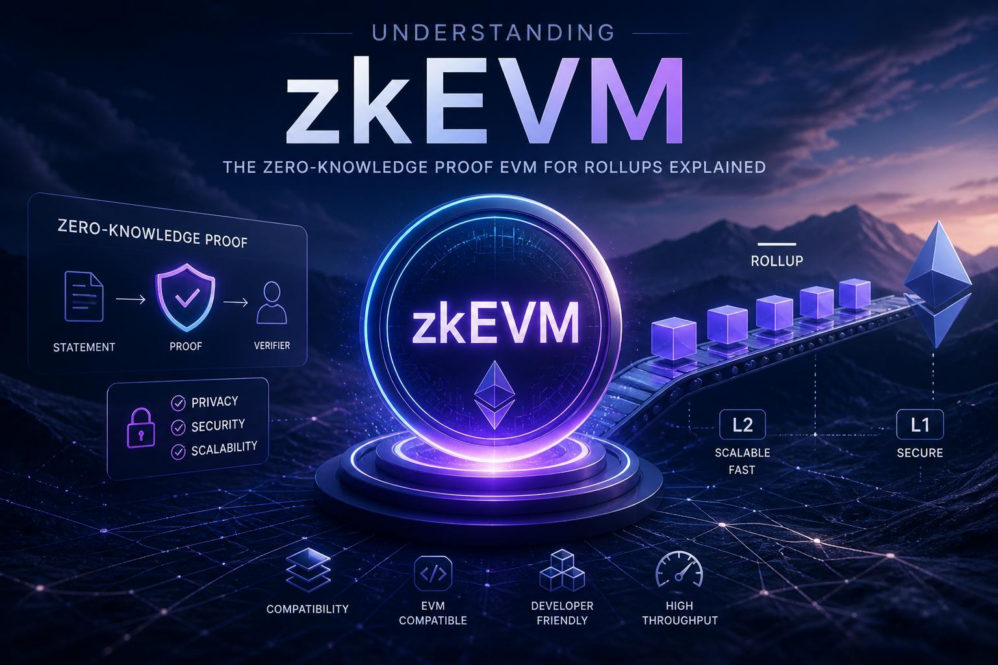
At the heart of zkEVM technology lies the concept of zero-knowledge proofs, a cryptographic method that allows one party to prove to another that a statement is true, without revealing any details beyond the truth of that statement. This powerful cryptographic tool forms the backbone of zkEVM, enabling it to validate transactions efficiently and provide strong privacy guarantees to users on the Ethereum blockchain. Zero-knowledge proofs are not just about proving statements; thay enable complex computations to be verified without revealing the underlying data, making them a cornerstone for secure and efficient transaction processing.
The zkEVM,or zero-knowledge Ethereum Virtual Machine,builds upon the Ethereum Virtual Machine (EVM) and integrates zero-knowledge proof techniques with rollup technology to enhance scalability and privacy. Unlike traditional rollup approaches that merely extend the EVM, the zkEVM creates a specialized habitat that substantially reduces the transaction verification time while ensuring the security and correctness of all operations. This integration leverages the unique properties of zero-knowledge proofs to minimize data requirements and transaction costs,making the entire system more efficient.
To understand the mechanics of how zkEVM operates, it is crucial to grasp the differences between optimistic rollups and zero-knowledge rollups. While both aim to scale ethereum by grouping transactions into a batch, they differ in their approach to verifying these batches. Optimistic rollups rely on a challenger system where transactions are verified only when challenged by a third party, leading to a higher latency in transaction finality. In contrast, zero-knowledge rollups like zkEVM use zero-knowledge proofs to validate transactions within the batch immediately. This process ensures faster,cheaper,and more secure transaction processing without relying on external verifications.In practice, zkEVM technology simplifies the integration of Ethereum-compatible applications with zero-knowledge proof systems. This compatibility is crucial because it allows developers to use the same familiar Ethereum ecosystem while gaining new benefits offered by zero-knowledge proofs. The table below provides a concise comparison of key attributes between zkEVM and traditional rollup methods, highlighting the strengths of the zkEVM approach.
| Attribute | zkEVM | Traditional Rollup |
|---|---|---|
| data Availability | Reduced | Full |
| Transaction Cost | Lower | Higher |
| Verification Time | Immediate | Delayed |
Understanding these differences is key to leveraging the full potential of zkEVM in enhancing blockchain scalability and privacy.
how zkEVM Enhances Privacy and Security in Rollups
zero-knowledge proofs (ZKPs) form the backbone of zkEVM,a technology that aims to enhance both privacy and security in blockchain rollups. by leveraging ZKPs, zkEVM ensures that transactions and private data remain confidential throughout the entire verification process. This mechanism allows users to prove the validity of a transaction without revealing sensitive details such as the actual amounts involved or the identities of the participants.
In traditional rollup systems, the clarity inherent in blockchain transactions can lead to privacy concerns, especially when transactions are publicly viewable. zkEVM solves this issue by allowing validators to verify the correctness of transactions without having access to their specific details. This approach significantly reduces the risk of data breaches and other privacy-related threats. Moreover, zkEVM’s unique verification process contributes to a more secure environment, as it minimizes the attack surface by restricting the amount of information available to potential malicious actors.
To illustrate the practical request of zkEVM, consider a scenario where a user wants to prove ownership of a certain amount of ether without disclosing the exact amount. In a conventional rollup scenario, the transaction data, including the amount, would be visible to third-party observers. However, with zkEVM, the user can generate a zero-knowledge proof that only attests to the validity of the transaction’s conditions without revealing the transaction’s specifics. This not only protects the user’s privacy but also guarantees the integrity of the system.
Below is a simple comparison table highlighting the key differences in transaction data exposure and privacy between traditional rollups and zkEVM.
| Feature | Traditional Rollups | zkEVM Rollups |
|---|---|---|
| Transaction Data Visibility | Obvious | encrypted |
| Privacy Protection | Limited | Enhanced |
| Security Threats | Higher | Lower |
| Data Integrity | Dependent on transparency | Dependent on proofs |
By implementing zkEVM, blockchain networks can offer a more secure and private experience for users, setting a new standard for transaction confidentiality and data integrity in the world of crypto finance.
Optimizing Scalability with zkEVM for Ethereum Rollups
Optimizing Ethereum’s scalability challenges has become paramount for the blockchain ecosystem. Ethereum rollups, particularly those using zero-knowledge proofs, have emerged as a leading solution. The zkEVM, a specialized execution environment for zero-knowledge rollups, enables these platforms to process transactions efficiently. By minimizing the trust required, zkEVM ensures that off-chain transactions can be quickly verified on the main Ethereum chain.
The core of zkEVM’s effectiveness lies in its ability to execute Ethereum Virtual Machine (EVM) bytecode directly. This direct translation reduces the overhead associated with intermediate layers and smart contract compatibility issues. To better illustrate the benefits, consider these aspects:
- Reduced validation time
- Increased transaction throughput
- Lower fees for end-users
Moreover, the zkEVM’s design allows developers to write and deploy EVM-compatible contracts without significant changes, making the transition to scalable rollups smoother and more accessible.
A key advantage of zkEVM is its compatibility with existing Ethereum tools and infrastructure. Table 1 shows how different components of the Ethereum ecosystem integrate with zkEVM, streamlining adoption:
| Ethereum Component | Integration with zkEVM |
|---|---|
| smart Contracts | Directly compatible |
| Gas Fees | Increased efficiency, lower costs |
| Wallets | Seamless interaction |
This straightforward setup helps developers and users adopt zkEVM rollups without major disruptions to their current workflows.
The future of decentralized finance and broader blockchain applications depends heavily on solving the scalability trilemma-efficiency, decentralizationand security.zkEVM addresses scalability while maintaining Ethereum’s trustless nature and preserving the flexibility of EVM-based development. With these advantages, zkEVM paves the way for Ethereum to support more complex and higher-volume applications, propelling the blockchain’s growth to new heights.
A Comprehensive Guide to Deploying zkEVM Solutions
Deploying zkEVM solutions hinges on a solid understanding of both zero-knowledge proofs and the specifics of Ethereum Virtual Machine (EVM) rollups. zkEVMs are at the heart of optimized Ethereum scalability, bringing the benefits of zero-knowledge proofs to the Ethereum platform. When you’re ready to deploy a zkEVM, you need to focus on a few critical steps. First, you must validate the integrity and correctness of your transactions. Next, you will compile and optimize your smart contracts to work seamlessly with the zkEVM environment. Then, you might consider integrating these solutions with your existing infrastructure for a smoother transition. continuous testing and monitoring ensure your zkEVM runs reliably and efficiently.
One of the key challenges in deploying zkEVM solutions is optimizing for compatibility and performance. To maintain the security benefits of zero-knowledge proofs, developers must ensure their contracts interact correctly with the zkEVM’s unique constraints and features. Several tools and frameworks like Turbo PLONK, Halo 2and Circom simplify the process of developing and deploying zkEVM applications. These tools abstract away some of the complexity by providing libraries and modules for zero-knowledge proof generation and verification.
It’s crucial to understand the security model of the zkEVM and how it integrates with Ethereum’s consensus layer. This involves careful management of state transitions and data availability requirements. A well-architected zkEVM system ensures that proofs are verifiable and that transactions are executed efficiently. Using these systems effectively requires a strong background in both cryptography and blockchain technology. Developers must be prepared to tackle challenges such as gas optimization, as zkEVMs impose different constraints on computational resources compared to the base Ethereum EVM.
To further illustrate the deployment process, consider the following table, which highlights the key components and their roles in a basic zkEVM deployment:
| Component | Functionality |
|---|---|
| Zk-Snark Proving System | Generates proofs of validity for transactions. |
| EVM Compiler | Translates smart contracts to zkEVM-compatible bytecode. |
| Monitoring Tools | Tracks system performance and identifies bottlenecks. |
| Data Availability Layer | Ensures availability of transaction data for proof verification. |
deploying a zkEVM is a sophisticated process that requires attention to detail and deep technical expertise.By following best practices and utilizing the right tools, developers can unlock the full potential of zero-knowledge proofs for Ethereum applications.
Best Practices for Integrating zkEVM in Decentralized applications
Integrating zkEVM (zero-Knowledge Ethereum Virtual Machine) into decentralized applications (dApps) is not just about deploying it and calling it a day. It requires a deep understanding of its capabilities and limitations. Developers must first assess the specific demands of their dApp and the performance benefits they hope to achieve through zkEVM. One of the key aspects to consider is the efficiency of transaction verification; zkEVM speeds this process up significantly by compressing large batches of transactions into succinct proofs that are much faster to validate. This not only reduces gas costs but also expedites the confirmation time for transactions.
Another crucial factor is ensuring compatibility with the Ethereum ecosystem. zkEVM must work seamlessly with existing tools, smart contractsand development frameworks. This compatibility ensures that developers can easily integrate zkEVM into their current projects without having to overhaul their entire setup. To achieve this, developers often need to test and validate their contracts extensively. They must verify that their contracts behave as expected in the zkEVM environment, which might require additional testing procedures and tools.
Security is paramount when dealing with zkEVM, as with any blockchain technology. Developers should prioritize rigorous security audits and follow best practices established by the community. This includes staying informed about the latest security threats and vulnerabilities in the Ethereum network and the zkEVM space.Proper management of private keys and the use of secure coding practices are essential to prevent unauthorized access and malicious attacks. monitoring the network closely for any abnormal activities can help in swiftly addressing security issues.
developers should consider the long-term sustainability and scalability of integrating zkEVM into their dApps. As the technology evolves, staying abreast of updates and improvements is crucial.Engaging with the broader zkEVM community and participating in discussions or contributing to open-source projects can provide valuable insights and support. Developers should also aim to optimize their systems for future enhancements in zk-proof technology and rollup scalability, enabling their dApps to continue offering superior performance and security as the landscape expands.Below is a simple checklist to help ensure a smooth and secure integration process.
| Item | Action | Consideration |
|---|---|---|
| Compatibility Check | Test on local environment | Ensure no compatibility issues |
| Security Audit | Run tests and code reviews | Identify potential vulnerabilities |
| Performance Monitoring | Regularly check transaction times | Optimize and adjust as needed |


