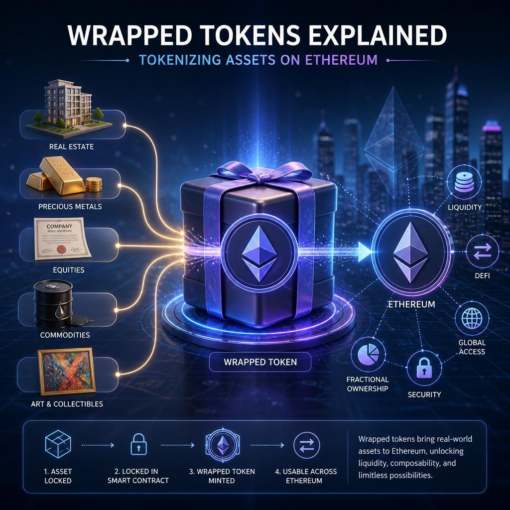
Wrapped Tokens Explained: Tokenizing Assets on Ethereum
Wrapped tokens on Ethereum offer a bridge for assets, allowing them to move across different blockchain ecosystems while maintaining their value and utility.

Ethereum
Wrapped tokens on Ethereum offer a bridge for assets, allowing them to move across different blockchain ecosystems while maintaining their value and utility.
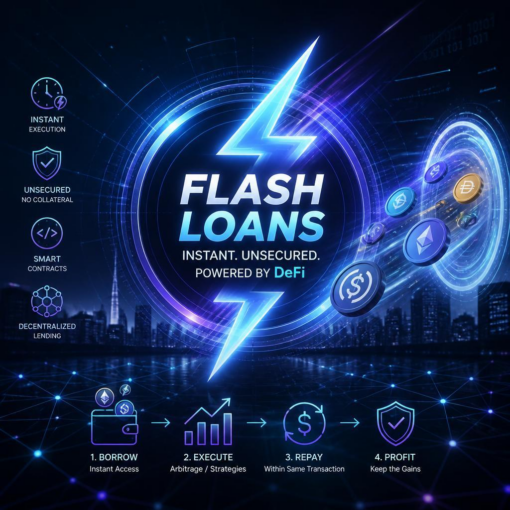
Flash loans in DeFi offer borrowers instantaneous, unsecured loans that must be repaid within a single blockchain transaction, revolutionizing liquidity access without collateral.

ICOs, or Initial Coin Offerings, have transformed how startups raise funds by issuing digital tokens, bypassing traditional investment avenues. This piece demystifies the mechanics and implications of token sales.

Understanding Ethereum’s maximum supply isn’t just a numbers game; it’s a dive into blockchain dynamics and developer decisions. It’s more nuanced and ever-evolving than a simple cap.

Solidity is the go-to language for developing Ethereum smart contracts, offering developers a robust, flexible environment to build and deploy decentralized applications securely and efficiently.
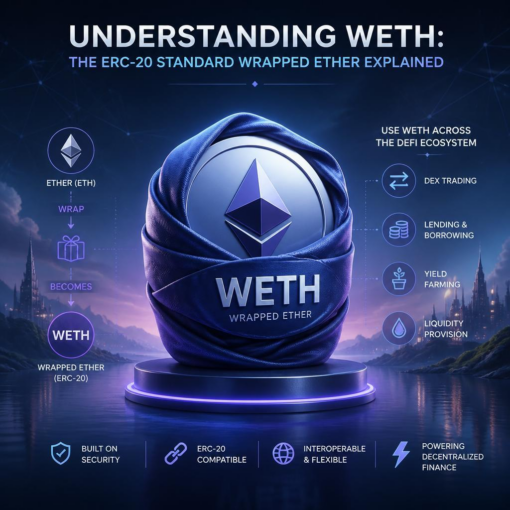
WETH, or Wrapped Ether, is an ERC-20 token version of ETH that allows for ETH to be used in smart contracts. It’s a simple yet essential bridge between ETH and the ERC-20 ecosystem.
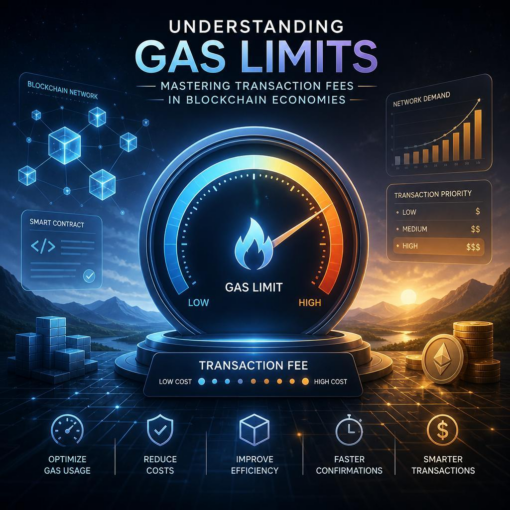
Mastering gas limits is crucial for navigating blockchain transaction fees. Learn how to control costs and optimize your interactions within decentralized networks.

Ethereum’s shift to Proof of Stake marks a pivotal era, enhancing security and efficiency. This mechanism departs from the energy-intensive Proof of Work, fostering a more sustainable blockchain future.
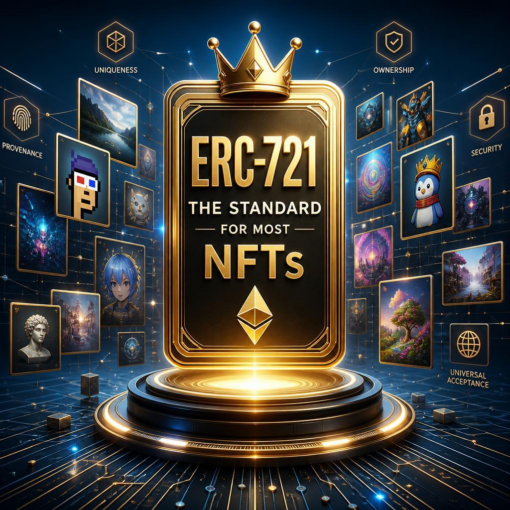
ERC-721 stands tall as the backbone of the NFT ecosystem, defining ownership and rarity for countless digital assets. Its influence is undeniable, shaping the future of blockchain art and collectibles.
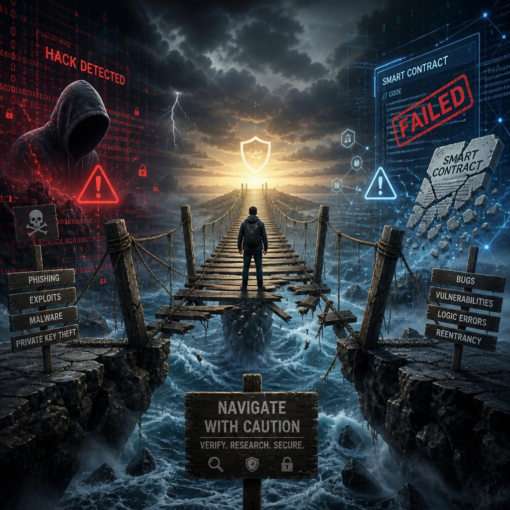
Smart contracts on bridges connect isolated blockchain ecosystems, but they also introduce vulnerabilities. Hackers exploit these, leading to significant losses. Understanding these risks is crucial for safeguarding assets.