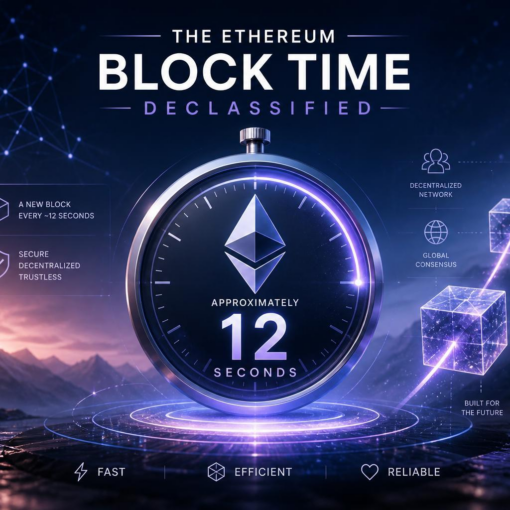
The Ethereum Block Time Declassified: Approximately 12 Seconds
Understanding Ethereum’s block time is crucial for grasping its network dynamics. Typically humming around 12 seconds, this interval shapes transaction speed and security.

Ethereum
Understanding Ethereum’s block time is crucial for grasping its network dynamics. Typically humming around 12 seconds, this interval shapes transaction speed and security.
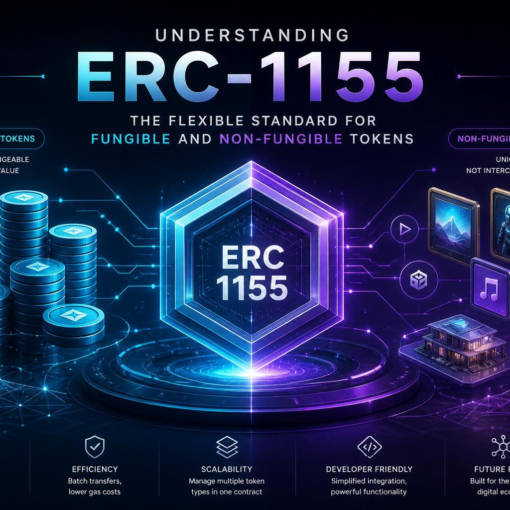
ERC-1155 stands out in the world of blockchain by combining the versatility of both fungible and non-fungible tokens into a single smart contract standard, offering developers a more efficient and flexible solution for token management.
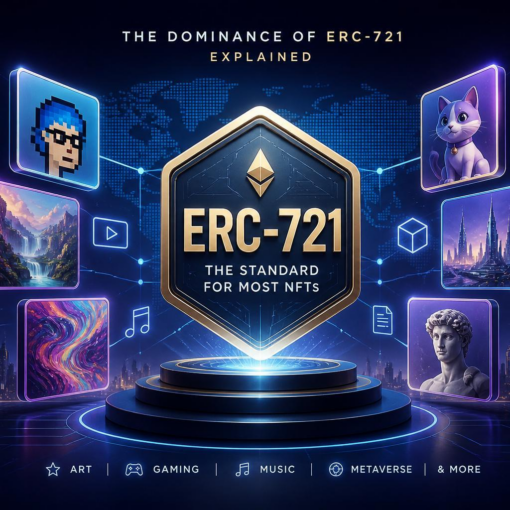
ERC-721 stands tall as the cornerstone standard for non-fungible tokens, underpinning the vast majority of unique digital assets on Ethereum, from Cryptokitties to art and beyond.
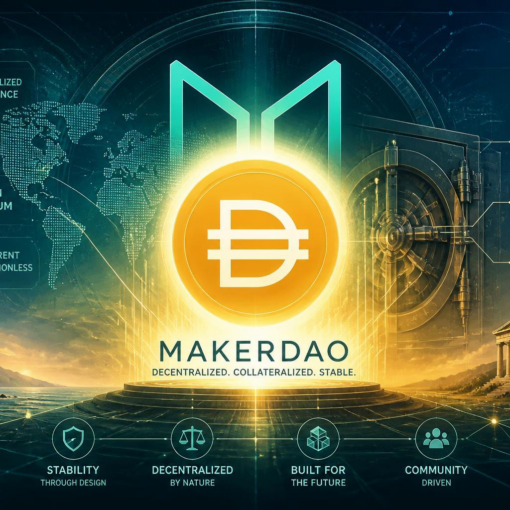
MakerDAO is the brainchild of crypto visionaries, crafting DAI, a stablecoin tethered to the U.S. dollar but devoid of traditional banking flaws, steering the course of decentralized finance.
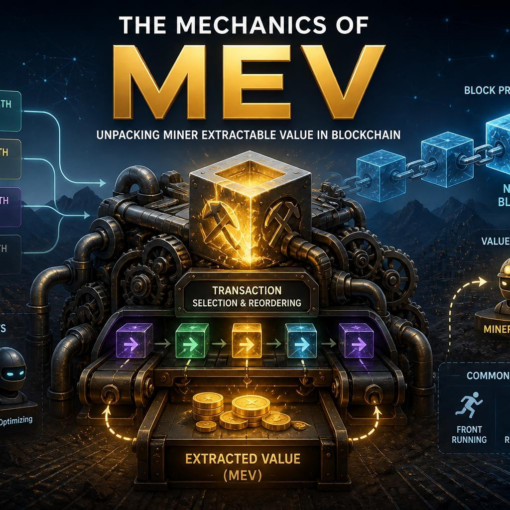
Miner Extractable Value (MEV) in blockchain isn’t just a complex financial concept; it’s a critical mechanism shaping network dynamics. Understanding MEV is key to grasping how miners profit beyond transaction fees, influencing decentralization and security.
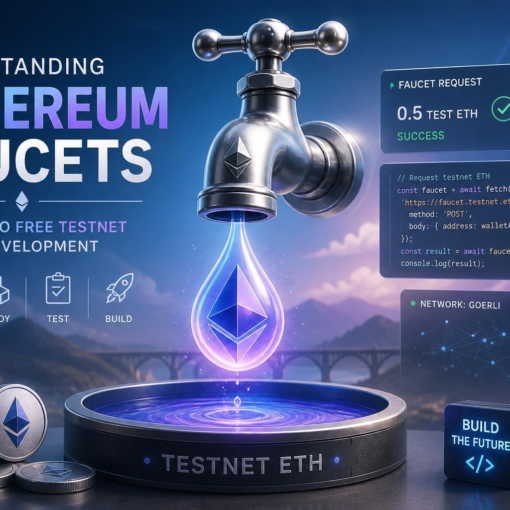
Ethereum faucets offer a straightforward way to obtain free testnet ETH, crucial for developers testing smart contracts and dApp features without real-world financial risk.
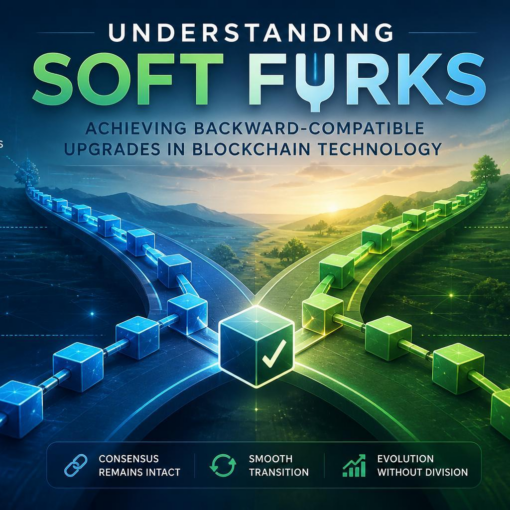
Soft forks in blockchain technology allow for updates that maintain backward compatibility, ensuring that older nodes remain functional while new rules take effect. This nuanced approach to upgrading networks is crucial for balancing innovation and stability.
The Original Ethereum Consensus: Delving into Proof of Work (PoW), exploring the foundational technology that secured Ethereum’s early days before the shift to Proof of Stake.

Blockchain explorers are essential tools for diving into the details of cryptocurrency transactions and addresses. They offer transparency and insight into the blockchain’s immutable ledger, crucial for users and developers alike.
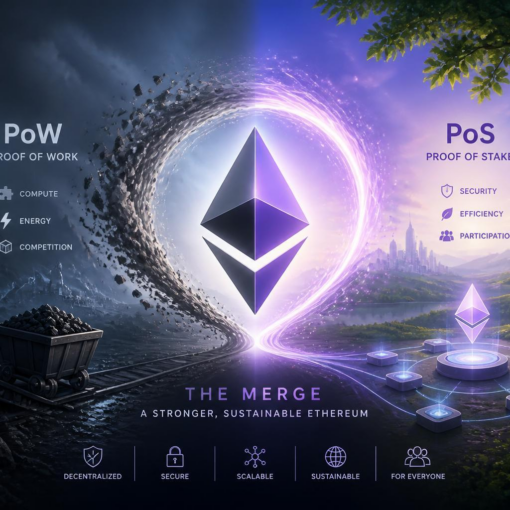
The Merge marked Ethereum’s transition from energy-intensive Proof of Work to more sustainable Proof of Stake, reshaping blockchain security and scalability.