
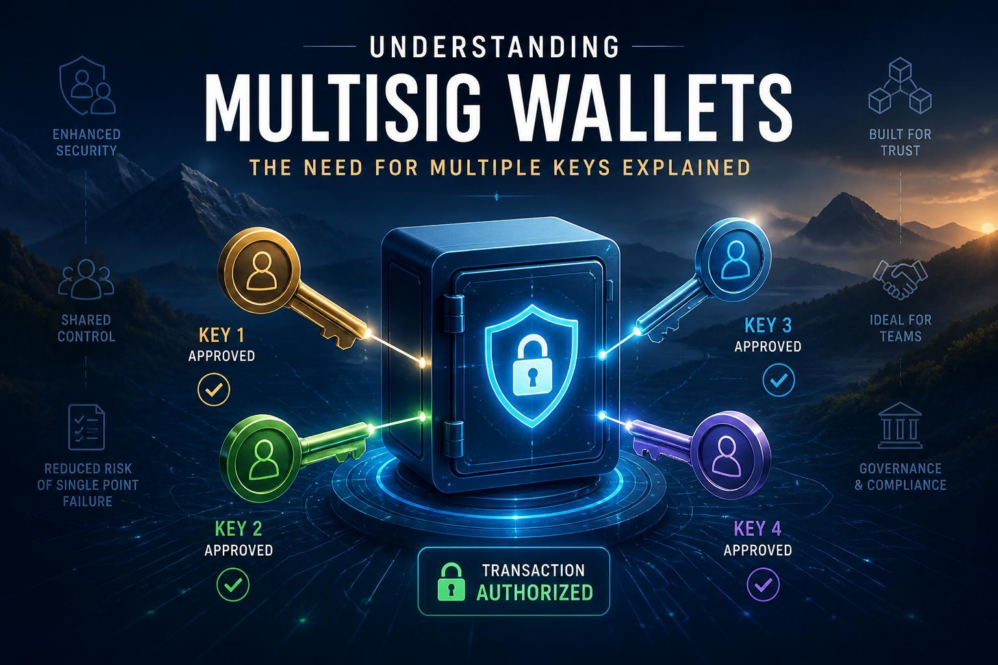
multisig wallets can offer greater versatility in managing shared funds, such as in business or family settings. Though, these solutions also come with critically important challenges. One major issue is teh complexity involved in managing multiple keys and ensuring that all parties can quickly access their keys when needed. Coordinating between multiple individuals to sign off on transactions can be cumbersome, especially if someone is unavailable or out of interaction. This can prolong the transaction process, leading to user frustration and potentially missed opportunities. Moreover,the technical setup and ongoing maintenance of multisig wallets require a higher level of expertise than traditional single-key wallets.
To better understand the specific challenges,consider a simple table showing common hurdles faced by users implementing multisig solutions.
| challenge | description | Solution |
|---|---|---|
| Complex Setup | Requires advanced technical knowledge. | Hire a consultant or use professional services. |
| Coordination Issues | Difficulty in synchronizing signatures. | Establish clear communication channels. |
| Legal Compliance | Ensuring compliance with regulations. | Consult with legal experts familiar with cryptocurrencies. |
Implementing multisig solutions is a double-edged sword. While it offers robust security and control, it can also introduce complications that detract from the ease and speed of transactions. Understanding these pros and cons is crucial before deciding if a multisig wallet is the right choice for your needs. Considering the potential benefits alongside the challenges can help users make more informed decisions about their cryptocurrency management strategies.
Best Practices for using Multisig Wallets Securely
using a multisig wallet is one of the most reliable methods. A multisig wallet requires multiple private keys to authorize a transaction, significantly reducing the risk of unauthorized access. This multi-layered security model is crucial in today’s environment,where the threat of hacking and theft looms large. To effectively safeguard your funds, here are some best practices to follow:
First, diversify your key management. Ensure that each key is held by a different individual or entity, reducing the risk of all keys falling into the wrong hands simultaneously. This approach is especially prudent for high-value transactions, where the stakes are far greater.implement strict access controls and secure storage practices for your keys. This may include using hardware security modules or biometric authentication, ensuring that private keys are safeguarded against both digital and physical breaches.another critical step is to limit the number of keys required for a transaction to the minimum necessary. Setting a high threshold might prevent unauthorized spending but could also create operational bottlenecks and increase the likelihood of key loss or operational errors.For example, if you need six out of ten keys to authorize a transaction, a system breakdown could stall operations. Finding the right balance is key. Here’s a simple scenario:
| Key Requirement | scenario |
| 5 of 8 | For a medium-sized business, 5 of 8 keys needed ensures flexibility and security. |
| 3 of 5 | For small teams, a lower threshold of 3 keys might suffice, streamlining transactions while maintaining security. |
conduct regular audits and drills to test the effectiveness of your multisig wallet setup and recovery procedures. Testing under different scenarios can reveal vulnerabilities that might otherwise go unnoticed. By doing this, you not only prepare for the unexpected but also build confidence in your security measures. Remember, continuous betterment is vital in the ever-dynamic field of cybersecurityand a multisig wallet is just one part of your overall defense strategy.
Recommended Scenarios for employing Multisig Technology
Multisig wallets offer a compelling way to manage assets more securely, particularly when financial stakes are high. By requiring multiple key signatures to access funds, multisig wallets inherently introduce layers of protection against fraud and theft. For instance,if you are managing a shared investment fund for a group of friends,using a 2-of-3 multisig setup ensures that any withdrawal requires approval from at least two of the three key holders. This arrangement dramatically reduces the risk of a single individual misusing or losing the funds.
Businesses of all sizes can also benefit from multisig wallets. A startup with limited resources might opt for a 2-of-2 scheme, where the CEO and the CFO both need to sign off on transactions, providing a balance between security and ease of use. As the business grows, a company might implement a more intricate 3-of-5 configuration involving executives and a trusted external accountant, significantly lowering the chances of insider threats. This added layer of security is not just about protecting against external fraud; it also deters internal conflicts and errors.
Multisig wallets also make sense in environments where regulatory compliance is crucial. For example, a cryptocurrency exchange may use a 2-of-5 multisignature configuration for high-value transfers. This method not only enhances security but also ensures that every transaction undergoes thorough review by multiple parties, thus complying with rigorous regulatory requirements. Such setups are particularly beneficial in regions with stringent financial regulations,like Europe or Asia.Another practical submission of multisig technology is in the realm of non-fungible tokens (NFTs). As the value of digital collectibles and artwork continues to rise, owners might want an additional protective measure.A 1-of-2 setup, where one key resides with the owner and another with a trust or custodian, adds significant security without impeding the owner’s ability to manage their assets freely. Similarly, if an NFT is being loaned or sold, the lender or buyer can gain temporary access to one of the keys without having control over the entire asset, ensuring that no party can act unilaterally.This creative use of multisig not only protects the NFT holder’s investments but also facilitates smoother financial interactions.


