
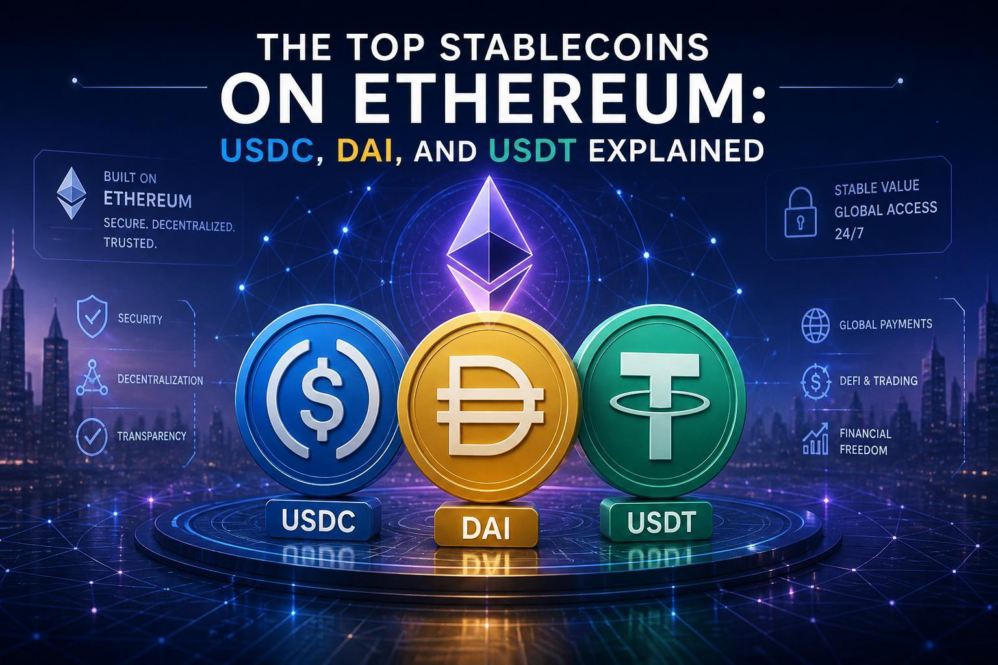
Understanding the Basics of Stablecoins on Ethereum
At the heart of Ethereum’s financial ecosystem are stablecoins-cryptocurrencies meticulously engineered to maintain a stable value relative to conventional assets, most commonly the US dollar. These coins stabilize the volatile world of crypto by tying their value to established fiat currencies, providing a haven of price stability for users engaging in transactions, savingsand complex financial applications like decentralized finance (DeFi). Stablecoins on ethereum play a crucial role in bridging the gap between traditional finance and the digital realm,ensuring liquidity and trust within the decentralized finance framework.
To understand stablecoins better, one must delve into their essential attributes and functions. They primarily serve as a bridge currency, allowing for seamless transfers and trades in the DeFi space.These coins are crucial for minting other tokens, facilitating margin tradingand participating in decentralized exchanges (DEXs) where they provide liquidity and enable users to engage in trading and lending activities with a reduced risk of price volatility. Stablecoins can also be seen as a tool for arbitrage across different platforms, enabling users to take advantage of price discrepancies between exchanges, all while reducing exposure to market fluctuations.
Table 1: Types of Stablecoins on Ethereum
| Type | Backing | Representative Stablecoin |
|---|---|---|
| On-chain collateralized | Ethereum-based tokens | DAI |
| off-chain collateralized | Traditional assets | USDC, USDT |
| Algorithmic | Algorithmic rebalancing of reserves | Ampleforth |
Stablecoins also introduce a new layer of transparency through smart contracts, allowing anyone to inspect the code that governs their issuance and management. These smart contracts automatically adjust the supply of tokens to maintain the stable peg, ensuring that the value of the stablecoin remains consistent and predictable. This transparency not only builds trust in the ecosystem but also promotes the growth of new financial services by ensuring that the underlying mechanics of the system are clear and immutable.As the demand for digital currencies continues to grow, understanding stablecoins like USDC, DAIand USDT becomes essential for anyone looking to navigate the intricate world of Ethereum-based financial products.
USDC: the Transparent and Fully Backed Stablecoin
USDCor USD Coin, stands out among the plethora of stablecoins due to its unique blend of transparency and full dollar backing. This makes it a trusted choice for both novice and seasoned cryptocurrency investors looking for a reliable entry into the decentralized finance (DeFi) world.One of the most critically important features of USDC is its full reserve backing. Unlike some stablecoins that rely on an opaque reserve system, USDC ensures that every coin in circulation is backed by one US dollar held in reserve. This meticulous system helps maintain the stablecoin’s peg to the US dollar more effectively.
Coinbase and circle, the two entities behind USDC, have taken several measures to bolster the security and trustworthiness of the coin. They work together to provide complete transparency of the USDC reserve, which includes monthly on-chain audits and detailed reports that are openly available for verification. This transparent approach doesn’t just build trust but also reduces the risk of instability that can plague less transparent stablecoin projects. users of the Coinbase platform earn rewards by holding USDC, making it an attractive choice for passive income generation. For those familiar with DeFi,USDC isn’t just a stablecoin; it’s a foundational asset that facilitates cheaper,faster payments and access to a wide array of financial products.
The versatility of USDC makes it one of the most popular stablecoins for a variety of applications. To put this in perspective, consider a few key figures: with a circulating supply of around 72.6 billion USDC as of the latest data available, USDC is one of the largest stablecoins in circulation [[3]]. This scale and reach mean USDC plays a major role in facilitating transactions across numerous DeFi platforms and applications, significantly enhancing liquidity and market stability. It’s clear that USDC’s dominance isn’t just a result of its robust backing but also of its widespread use and the trust it has earned among both individual users and financial institutions.
While USDC shines with its transparency and robust infrastructure, it’s also vital to compare it with other top stablecoins like DAI and USDT to understand its strengths and unique attributes. In terms of decentralization, such as, USDC is relatively centralized compared to DAI, which is an overcollateralized stablecoin that operates within the makerdao ecosystem. However, the full dollar backing and transparency offered by USDC offer distinct advantages in terms of trust and stability.
| Stablecoin | Backing | Transparency |
|---|---|---|
| USDC | 1:1 USD reserve | High transparency through regular audits |
| DAI | Overcollateralized with ETH and other assets | Decentralized governance and audits |
| USDT | Mysterious reserve system | Less transparent than USDC or DAI |
This comparison clearly highlights why USDC stands out in terms of transparency and trust, making it an attractive option for those seeking a stablecoin backed by clear, auditable reserves.
DAI: Decentralized Stability Through Collateralization
DAI,a stablecoin on the Ethereum network,stands out due to its decentralized nature and innovative use of collateralization. Unlike USDC and USDT, which rely on centralized entities to maintain their price stability, DAI is backed by a variety of ERC-20 tokens held in collateral contracts. The system operates via an ecosystem of smart contracts, orchestrated by MakerDAO, which automatically adjusts the required collateral ratio based on market conditions. this automated mechanism ensures DAI maintains its peg to the US dollar without depending on direct intervention from any third-party.
Collateralization ratios play a crucial role in the DAI system. When creating DAI through the platform, users must over-collateralize their tokens, often by a significant margin. As an example, to mint 100 DAI, a user might need to deposit 150 ETH as collateral. this structure provides a buffer to account for potential changes in the value of the collateral, ensuring that DAI remains stable even during market volatility. When the value of the collateral dips below a certain threshold, the system starts liquidating the collateral until the ratio returns to the minimum safe level.
One key benefit of DAI’s decentralized approach is its resilience and transparency. Since DAI relies on open-source code and the Ethereum blockchain, users can audit the system and understand how it functions. This allows for a high level of trust and reduces the risk of insider manipulation. the collateral used to back DAI can be in various forms, such as stablecoins, other Etheror even more volatile tokens, providing flexibility for users to manage their financial positions effectively.
| Collateral Type | Minimum Ratio |
|---|---|
| USDC | 150% |
| WBTC | 175% |
| DAI itself | 130% |
Understanding these nuances highlights why DAI stands as a distinct option among stablecoins. By eschewing the need for a central entity to maintain stability, DAI opens up possibilities for more robust financial applications within the decentralized finance (DeFi) sphere. Whether for lending, tradingor value storage, DAI’s stable peg and decentralized governance offer an intriguing alternative to traditional financial instruments.
USDT: The Giant in the Stablecoin Market
Tether, also known by its ticker USDT, is a prominent player in the stablecoin arena. Created to offer stability in the frequently enough tumultuous crypto market, tether is designed to mirror the U.S.dollar’s value closely. This alignment with the dollar makes USDT a lifeline for traders and investors seeking a hedge against the volatility of other cryptocurrencies. By tying its value directly to the dollar, Tether aims to create a safe haven in the crypto world, much like a lighthouse in a stormy sea [[1]].
Among the most widely used stablecoins on the Ethereum network, Tether sees extensive adoption for its promise of price stability and reliability. While other tokens might experience significant price swings, USDT’s value remains pegged to the dollar, making it a go-to choice for those looking to mitigate the risks associated with volatile assets. This stability is crucial for traders who need a reliable medium of exchange within the crypto ecosystem. Moreover, USDT’s presence is felt across various platforms, from decentralized exchanges to margin trading services, underlining its pivotal role in modern blockchain finance.
Understanding Tether’s operations reveals a complex but transparent approach to maintaining its peg to the dollar. the company behind Tether claims that its token is fully backed by reserves. These reserves consist of cash and other assets that theoretically match the token’s value in circulation.However, the exact nature and composition of these reserves have been the subject of scrutiny and debate within the cryptocurrency community.Despite this uncertainty, USDT’s resilience has allowed it to grow and dominate as one of the largest stablecoins by market cap. Its broad user base signifies a trust that, despite its controversies, continues to be strong.
To illustrate Tether’s dynamic on the market, consider a quick look at its current valuation against the dollar. The chart below shows the fluctuation and stability of USDT over the last month, compared to the dollar. As you can see, despite minor dips, Tether generally holds steady, demonstrating its role as a reliable store of value amidst the crypto market’s turbulence. This stability makes Tether an indispensable part of the crypto landscape, a cornerstone for those navigating the complex web of digital currencies.
| Date | USDT/USD Price |
|---|---|
| 2026-10-19 | $1.00 |
| 2026-10-20 | $1.00 |
| 2026-10-21 | $1.00 |
Choosing the Right Stablecoin for Your Needs
Choosing the right stablecoin in the Ethereum ecosystem is crucial for both seasoned and new crypto enthusiasts. Each stablecoin has unique characteristics and use cases that cater to different needs. as a notable example, if you’re looking to minimize volatility risk while maximizing liquidity, Circle’s USDC shines as a top choice with its backing by real-world assets and extensive adoption across major exchanges. Conversely, if you prioritize transparency and decentralization in a stablecoin, DAI, issued by the MakerDAO platform, offers a solid option. DAI’s collateralization mechanism relies on overcollateralization, allowing for flexibility in market volatility while ensuring stability.
When assessing USDT (Tether), the oldest and most established among the trio, its extensive market cap and wide acceptance across crypto exchanges make it a reliable choice. Though, the transparency and governance behind USDT have been subject to scrutiny, making it less appealing to some users. To navigate this complexity, you can compare the three stablecoins in a straightforward manner, as depicted in the table below.
| Stablecoin | Transparency | Liquidity | Decentralization |
|---|---|---|---|
| USDC | Semi-transparent governance | High liquidity on major exchanges | Centralized issuance |
| DAI | Highly transparent smart contracts | Moderate to high liquidity | Decentralized governance and issuance |
| USDT | Limited transparency | Most liquid and widely accepted | Centralized issuance |
each stablecoin’s performance in real-world scenarios is pivotal.the network fees and gas prices when converting between ETH and these stablecoins can sway your decision. As an example, during periods of high congestion on Ethereum, USDC might offer lower conversion costs due to its widespread adoption, which often translates to more efficient trading conditions. Conversely, in a robust, less-congested market, USDT could be your go-to token for its unrivaled liquidity and network of trading partners.
Ultimately, your choice hinges on your risk tolerance, regulatory implications, and the specific use cases you envision. Be it trading on decentralized platforms, hedging against market volatility, or using stablecoins for everyday transactions, the right stablecoin should serve your needs seamlessly without compromising on security and convenience. Understanding these nuances helps demystify the complex landscape of stablecoins,positioning you to make informed decisions in a landscape where stability amidst volatility is crucial.
Considerations for Security and Regulatory Compliance
Security and regulatory compliance are critical for users of stablecoins like USDC, DAIand USDT. Each of these stablecoins operates within the Ethereum network, where smart contracts and decentralized applications facilitate transactions and value transfers. However, the decentralized nature of Ethereum introduces unique security challenges that users and developers must address.Key to assessing these challenges is understanding the underlying code and governance mechanisms of each stablecoin, as this influences how security is maintained.
As an example,USDC,a popular choice among institutional investors,adheres to strict compliance standards due to its ties with Coinbase and Circle. This stablecoin mandates that each issued USDC token is backed by a dollar in reserve, stored in a regulated bank account. Conversely, DAI, a decentralization pioneer, relies on the MakerDAO governance system for maintaining price stability and security.To comply with regulatory frameworks, DAI aims for transparency and community-led governance, making it more adaptable to changes in the regulatory landscape.
Regulations around stablecoins are still evolving,and the requirements vary significantly by jurisdiction.For example, the U.S. Securities and Exchange Commission (SEC) has indicated that stablecoins could be considered securities, depending on their issuance and governance structure.This introduces additional complexity and volatility for issuers and users.On the other hand, european Union regulations may soon provide clearer guidelines, potentially creating a more uniform regulatory environment.
To navigate this complex landscape,it’s essential to consider the regulatory implications of each stablecoin.A table comparing the regulatory compliance and governance transparency of USDC, DAIand USDT can be useful:
| Stablecoin | Regulatory Environment | Governance Transparency |
|---|---|---|
| USDC | Highly regulated, especially in the U.S. | Transparent, with clear oversight |
| DAI | Governed by community decisions; highly dynamic | Highly transparent, with public decision-making processes |
| USDT | Varying standards across jurisdictions | Less transparent compared to USDC and DAI |
Understanding these differences helps in making informed choices and ensuring that users can operate within legal boundaries while enjoying the benefits of a stable token tied to the dynamic and evolving Ethereum platform.


