| Month | Software Update | Compliance Check |
|---|---|---|
| January | Ethereum 2.0 Client Release 0.12.6 | Validator Key Rotation |
| March | Ethereum 2.0 Client Release 0.13.0 | EIP-4895 Audit |
| June | Ethereum 2.0 Client Release 0.14.0 | Ledger Setup Audit |
education and community involvement should never be underestimated. Joining forums like Reddit’s r/ethstaker or other online communities can provide valuable insights and practical tips from experienced validators. Engaging with the Ethereum community also keeps you informed about the latest trends and warnings in the staking landscape. By integrating these strategies,you can significantly enhance the safety and potential rewards of your ETH staking practices.
Understanding the Financial Implications of Slashing Incidents
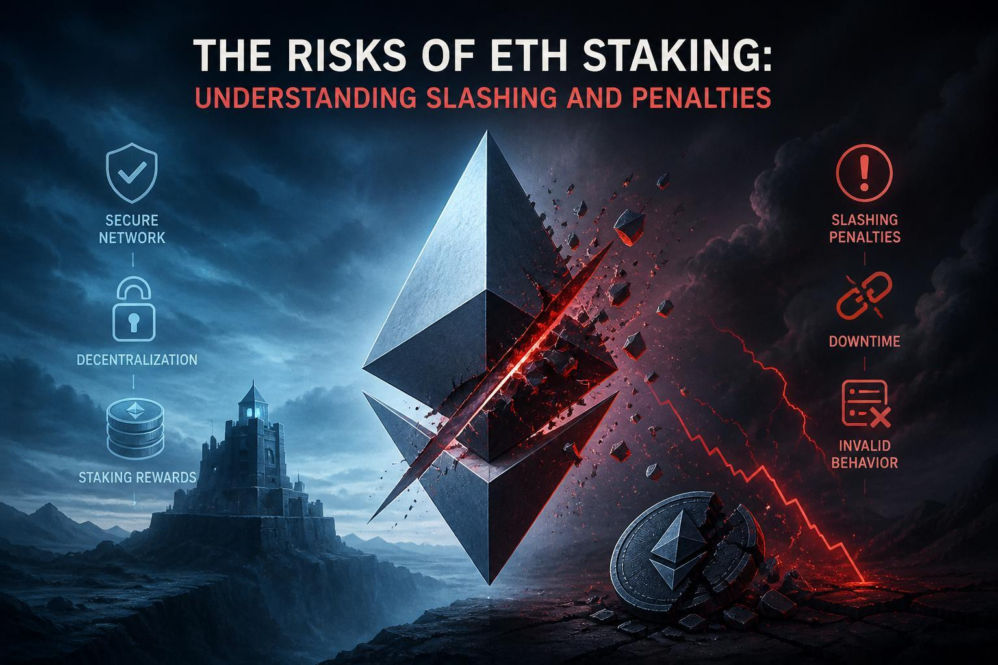
Slashing incidents in the context of ETH staking refer to penalties enforced on validators who do not adhere to the rules of the Ethereum network, often in the form of a direct deduction from their staked ETH. These penalties are designed to maintain network integrity and prevent malicious or unintentionally harmful behavior, such as proposing multiple blocks in the same slot or signing conflicting blocks. When a slashable violation occurs, the Ethereum protocol automatically deducts a certain amount of ETH from the validator’s stake. This financial punishment can be severe and frequently enough impacts multiple validators who may have been involved due to their interconnected staking pools or shared hardware, making it a critically important concern for those participating in ETH staking.
To better understand the financial implications of slashing, it’s essential to grasp the various reasons why validators might be penalized. The most common scenario involves validator behavior that goes against the protocol rules during network congestion or technical difficulties. Simple oversights like network delays,which might cause a validator to propose or attest to an outdated block,can lead to a penalty if these actions are deemed invalid by the network. Ensuring continuous and robust connectivity is, thus, crucial for avoiding slashing penalties. A less likely but potentially more damaging scenario involves malicious activities such as running duplicate validators, which can compromise the network’s security and lead to stricter penalties.
Financial risks from slashing are not uniform and depend largely on the validator’s setup and operation. in situations where multiple validators are operated under a single entity or via a shared infrastructure, the consequences of a single slashing incident can be amplified. This interconnectedness means that a single misstep by one validator can result in penalties for others linked to the same pool or cluster. A well-managed staking operation, though, can mitigate these risks by diversifying across multiple validators and using robust, independent setups to ensure that no single point of failure can affect an entire holding.
To put the financial impact of slashing into perspective, consider a table that illustrates the penalties under different scenarios. These penalties are intended to be significant enough to discourage such behavior but are also designed to ensure the continued security of the Ethereum network. Here’s a simple overview:
| Scenario | Penalty Description | Example Financial Impact |
|---|---|---|
| Single validator error | Validator proposes or attests an invalid block. | Stake reduction of 2-3 days worth of reward |
| Shared infrastructure failure | multiple validators in the same pool commit errors. | Penalties affecting more than one validator |
Validators must stay informed about the latest rules and updates to the Ethereum protocol to avoid unintentional slashing. This diligence is critical not only for the personal financial security of the validators but also for the broader health and security of the Ethereum network.
navigating Complexities: Smart Contract Vulnerabilities and Slashing
Smart contract vulnerabilities are a critical concern when engaging with Ethereum’s ecosystem. These flaws can manifest in numerous ways, ranging from logical errors to outright security breaches, all of which can compromise the integrity of staked ETH. A developer’s oversight can lead to unauthorized access to funds or the execution of unintended actions. For instance,a misplaced condition or a misconfigured transaction can allow a third party to manipulate the contract’s outcomes.
Understanding and mitigating potential smart contract vulnerabilities requires a thorough grasp of both the technology and the network architecture. A well-structured smart contract can minimize the risk of slashing penalties, which occur when validators are found to deviate from consensus rules or engage in malicious behavior. For example, if a validator signs two conflicting blocks, they may trigger a slashing event. This can result in the permanent loss of their stake and a reduction in network rewards. Validators must remain vigilant and ensure their software setups and configurations are up to date.
To effectively navigate these complexities, it is crucial to understand the various types of vulnerabilities and the associated mechanisms for avoiding them. Common issues include reentrancy attacks,front-running,and transaction order manipulation. To mitigate such risks, developers and validators should adopt best practices such as code audits, regular updatesand thorough testing in a testing surroundings before deploying to the mainnet. they must stay informed about the latest security advisories and protocols.
Below is a simple checklist to guide validators in safeguarding their staked ETH:
- Always perform complete code reviews and use static analysis tools.
- Maintain a robust and secure environment for validating nodes.
- Participate in community forums and follow recognized security guidelines.
- Educate oneself on the latest in smart contract security trends.
Smart contract developers and validators also benefit from monitoring tools and dashboards that provide real-time insights into contract behavior and potential threats. these tools can help identify anomalous activities or sudden drops in network performance, signaling possible security compromises. By staying proactive and vigilant, stakeholders can significantly reduce the risks associated with ETH staking and slashing penalties.
it’s critically important to remember that being part of Ethereum’s staking ecosystem involves more than just technical knowledge. One must also adhere to the broader principles of decentralization and community governance. This includes engaging with the ethereum governance channels to contribute to ongoing discussions and updates about the network’s future. being an active participant in this community not only enhances your understanding of the risks involved but also fosters a cooperative environment that is essential for the network’s health and longevity.


