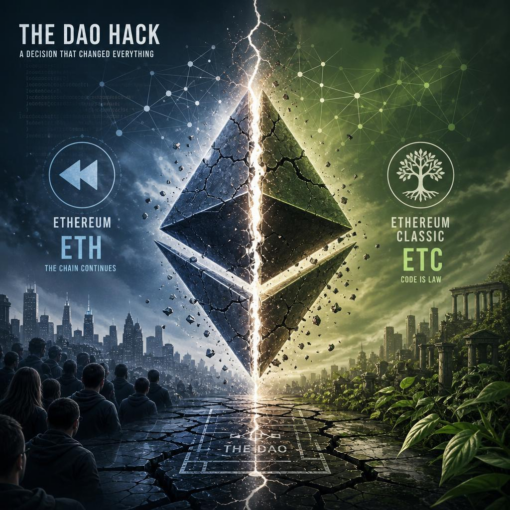
The DAO Hack: The Divisive Birth of ETH and ETC
In July 2016, the Ethereum DAO hack split the community, leading to a hard fork that created Ethereum (ETH) and Ethereum Classic (ETC), each with its own vision for blockchain’s future.

In July 2016, the Ethereum DAO hack split the community, leading to a hard fork that created Ethereum (ETH) and Ethereum Classic (ETC), each with its own vision for blockchain’s future.
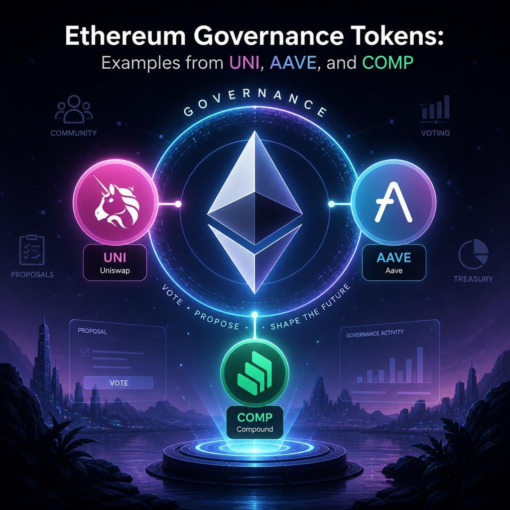
Ethereum governance tokens have become increasingly prominent, with notable examples including UNI, AAVE, and Compound’s COMP. These tokens grant holders voting rights within the respective decentralized finance (DeFi) protocols, allowing them to influence key decisions such as fee structures and strategic partnerships. By distributing decision-making power among stakeholders, these tokens aim to foster a more inclusive and adaptable governance model.
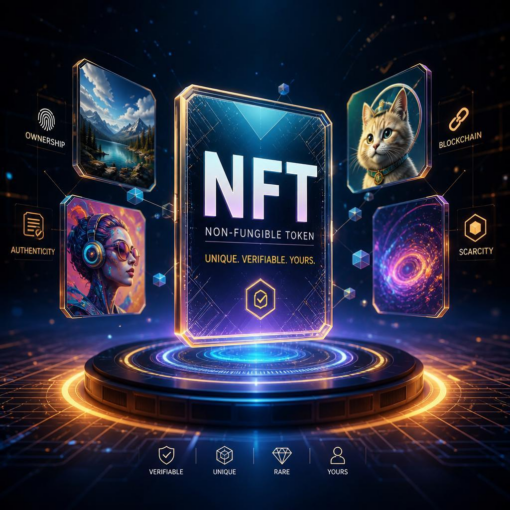
Here’s a short excerpt to fit within the specified character limit:
“NFTs, or Non-Fungible Tokens, redefine unique digital assets by assigning individual ownership and scarcity to each item. Unlike their fungible counterparts, NFTs have inherent value based on their one-of-a-kind status.”

As you prepare to launch your Ethereum-based application, it’s essential to test its functionality and performance in a realistic setting. A testnet allows you to simulate the conditions of the main network, identifying potential issues before going live. By running your app on a testnet, you can ensure that your users have a seamless experience when your application finally hits the mainnet.

When cryptocurrency projects go awry, a disturbing phenomenon known as the rug pull emerges. In these cases, developers abandon their initiatives, taking investor funds – often hundreds of thousands or even millions of dollars – with them. Unlike corporate shutdowns, where assets are typically liquidated to pay back investors, rug pulls involve a complete disappearance of the project’s website, social media presence, and contact information, making it impossible for affected individuals to recover their losses.
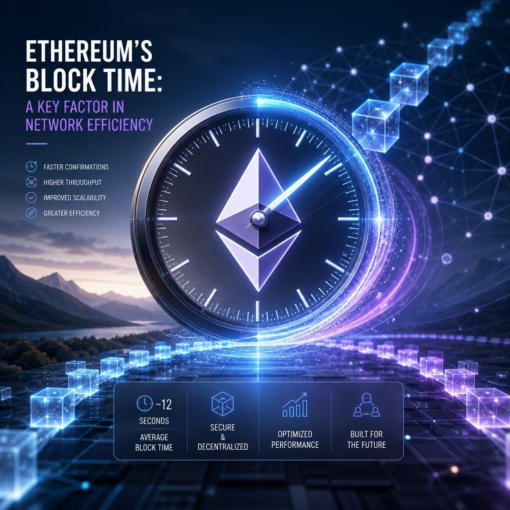
Ethereum’s block time is a crucial determinant of its network efficiency, directly impacting the transaction confirmation speed and gas costs. Each new block, averaged across every 15 seconds, contains approximately 4,500 transactions. This allows Ethereum to strike a delicate balance between throughput, security, and decentralization without compromising its consensus mechanism.
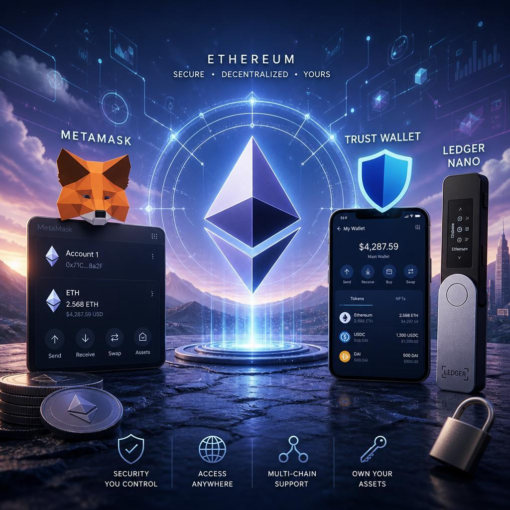
When choosing an Ethereum wallet, users face a multitude of options, each with its own strengths and weaknesses. One of the most popular choices is MetaMask, which offers a user-friendly interface for browser-based transactions. In contrast, Trust Wallet provides a more comprehensive experience, incorporating features like secure note storage and token management. Meanwhile, Ledger Nano offers an additional layer of security through its hardware-based approach. Each option caters to distinct needs and preferences, but a closer look reveals some crucial differences in terms of functionality and user experience.
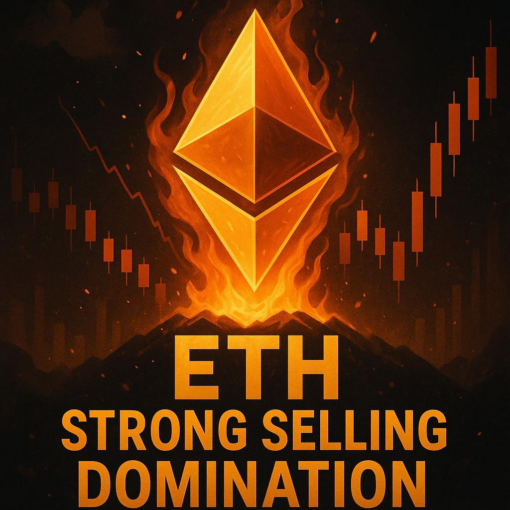
ETH faces persistent selling domination: high offer-side liquidity, repeated distribution at resistance, and declining bid depth suggest momentum favors sellers unless on-chain demand or macro flows shift.
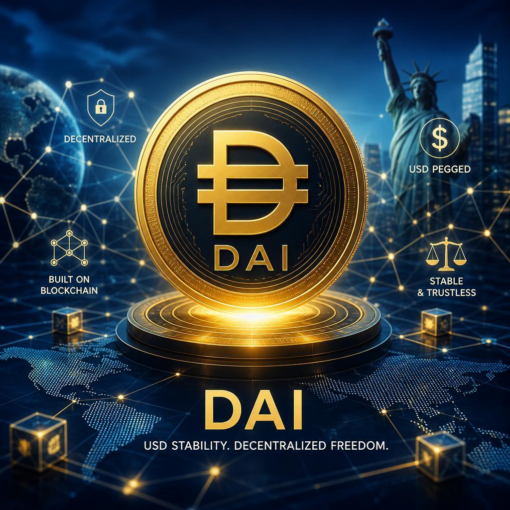
“Decoding DAI: Understanding the Decentralized Stablecoin That Puts USD in Blockchain.”
Alternatively:
* “Understanding DAI: The Decentralized, USD-Pegged Stablecoin”
* “What is DAI? A Guide to the Decentralized Stablecoin”
Here’s a short excerpt for the article “Decoding DAI: Understanding the Decentralized Stablecoin That Puts USD in Blockchain”:
DAI is often misunderstood as a cryptocurrency, but it’s actually a decentralized stablecoin pegged to the value of the US dollar. Unlike other cryptocurrencies that fluctuate in value, DAI maintains a fixed exchange rate with the dollar, making it an attractive alternative for crypto investors and users seeking stability in their transactions.
The primary concept behind DAI is simple: it uses a smart contract on the Ethereum network to maintain its value relative to the US dollar. This makes DAI a stable store of value and a unit of account that can be used for various purposes, including payments, lending, and trading. One key aspect of DAI’s design is its ability to self-correct and adjust its supply to reflect market conditions, all without the need for central authorities or intermediaries.

Here are a few options:
Let me know if you’d like me to suggest more or modify these
If you’re setting out to create content about Ether and the Ethereum ecosystem, consider one of the following options as a starting point for your guide. Options include “Unlocking Web3 with Ether (ETH)”, “Ether Explained: The Power Behind Ethereum” or “The Essentials of Ether (ETH): A Guide”. Let me know which approach aligns best with your project’s direction and I can help modify it to fit your needs.