
Blog

Ethereum governance tokens: examples from uni, aave, and comp

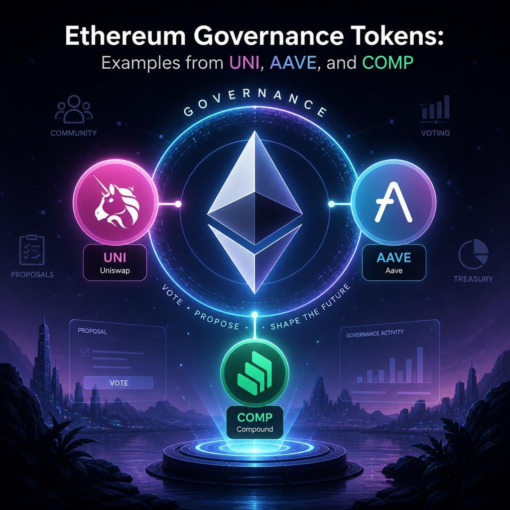
Ethereum Governance Tokens: Examples from UNI, AAVE, and COMP

Ethereum governance tokens have become increasingly prominent, with notable examples including UNI, AAVE, and Compound’s COMP. These tokens grant holders voting rights within the respective decentralized finance (DeFi) protocols, allowing them to influence key decisions such as fee structures and strategic partnerships. By distributing decision-making power among stakeholders, these tokens aim to foster a more inclusive and adaptable governance model.

“understanding nfts: unique digital assets redefined”

alternative options:
– “exploring the world of nfts”
– “nfts: deciphering their significance”
– “what makes an nft unique? ”

the chosen title fits within the required character limit, is clear in its

“Understanding NFTs: Unique Digital Assets Redefined” Alternative options: – “Exploring the World of NFTs” – “NFTs: Deciphering Their Significance” – “What Makes an NFT Unique?” The chosen title fits within the required character limit, is clear in its

Here’s a short excerpt to fit within the specified character limit:

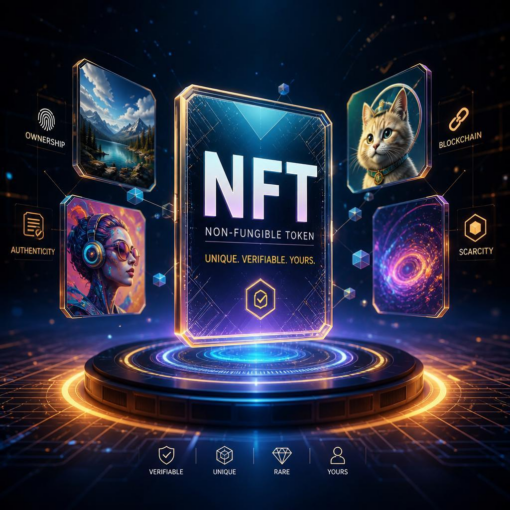
“NFTs, or Non-Fungible Tokens, redefine unique digital assets by assigning individual ownership and scarcity to each item. Unlike their fungible counterparts, NFTs have inherent value based on their one-of-a-kind status.”

Introducing testnets: preparing your ethereum apps for launch

Introducing Testnets: Preparing Your Ethereum Apps for Launch

As you prepare to launch your Ethereum-based application, it’s essential to test its functionality and performance in a realistic setting. A testnet allows you to simulate the conditions of the main network, identifying potential issues before going live. By running your app on a testnet, you can ensure that your users have a seamless experience when your application finally hits the mainnet.

Rug pulls: when developers disappear with investors’ funds

Rug Pulls: When Developers Disappear with Investors’ Funds

When cryptocurrency projects go awry, a disturbing phenomenon known as the rug pull emerges. In these cases, developers abandon their initiatives, taking investor funds – often hundreds of thousands or even millions of dollars – with them. Unlike corporate shutdowns, where assets are typically liquidated to pay back investors, rug pulls involve a complete disappearance of the project’s website, social media presence, and contact information, making it impossible for affected individuals to recover their losses.

Ethereum’s block time: a key factor in network efficiency

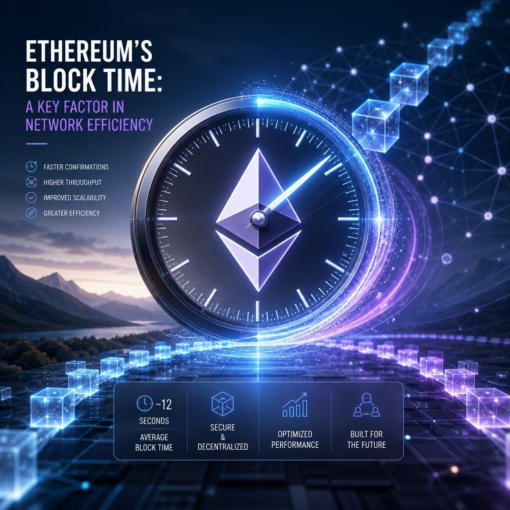
Ethereum’s Block Time: A Key Factor in Network Efficiency

Ethereum’s block time is a crucial determinant of its network efficiency, directly impacting the transaction confirmation speed and gas costs. Each new block, averaged across every 15 seconds, contains approximately 4,500 transactions. This allows Ethereum to strike a delicate balance between throughput, security, and decentralization without compromising its consensus mechanism.