
Blockchain Oracles: Bridging Reality and Smart Contracts
Blockchain oracles supply off-chain data to smart contracts, allowing blockchain code to respond to prices, weather, events, and other real-world conditions.

Blockchain oracles supply off-chain data to smart contracts, allowing blockchain code to respond to prices, weather, events, and other real-world conditions.
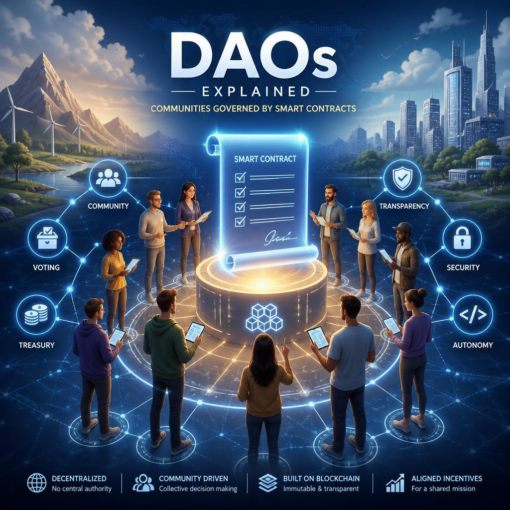
DAOs are internet-native organizations where members coordinate through smart contracts and shared voting rules. They replace centralized management with transparent, community-led decision-making.
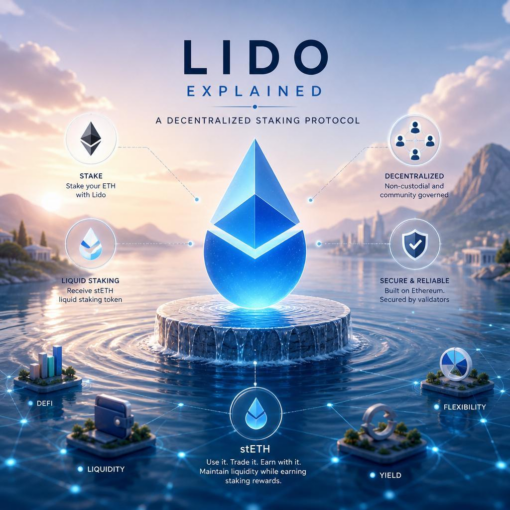
Lido is a decentralized staking protocol that lets users stake supported assets while keeping their funds liquid through tokenized staking positions.
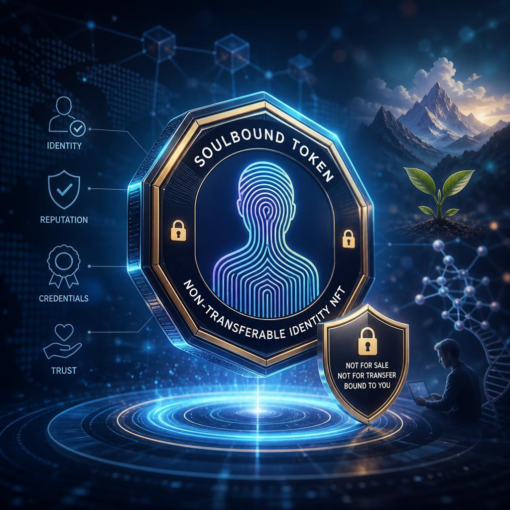
Soulbound tokens are non-transferable NFTs tied to a wallet or identity. They can record credentials, memberships, or reputation without being bought, sold, or moved between users.

An initial coin offering (ICO) raises capital by selling digital tokens to early supporters. Investors fund a project in exchange for tokens that may offer access, utility, or speculative value.
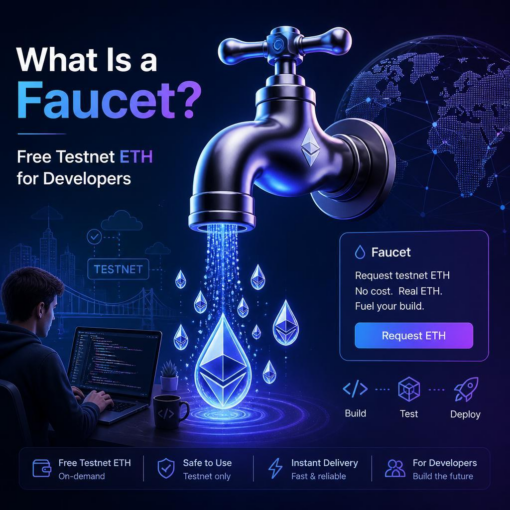
A faucet is a service that gives developers small amounts of free testnet ETH, letting them deploy contracts, test transactions, and debug applications without spending real cryptocurrency.
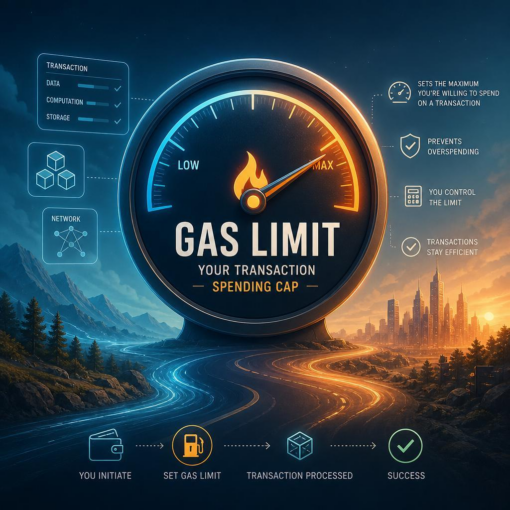
A gas limit sets the maximum computational work your blockchain transaction may consume. It helps prevent overspending on fees while ensuring validators can process the transaction safely.
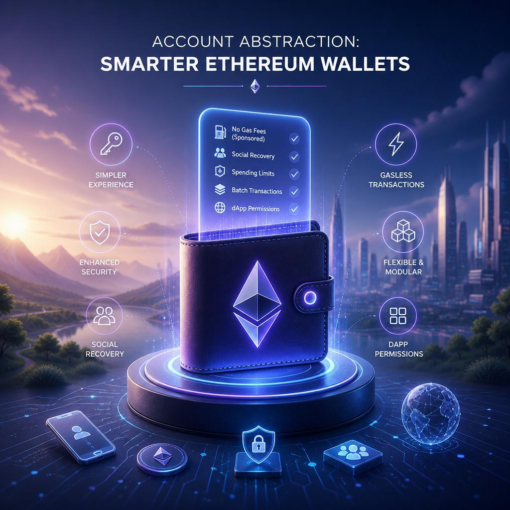
Account abstraction makes Ethereum wallets more flexible, letting smart-contract logic handle approvals, recovery, and transaction fees while preserving Ethereum’s core security model.
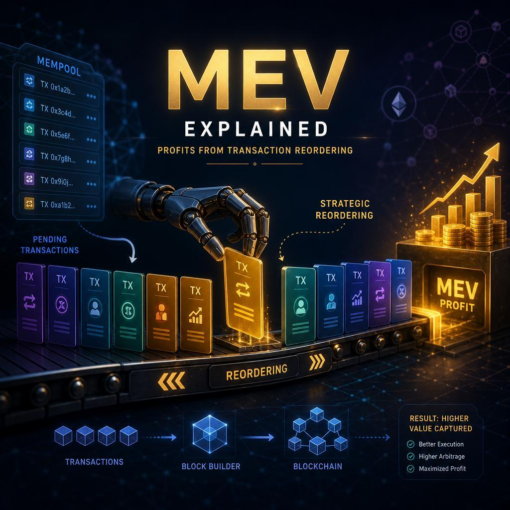
MEV is the value traders and validators extract by changing the order of blockchain transactions. Learn how frontrunning, backrunning, and arbitrage create profits-and risks.
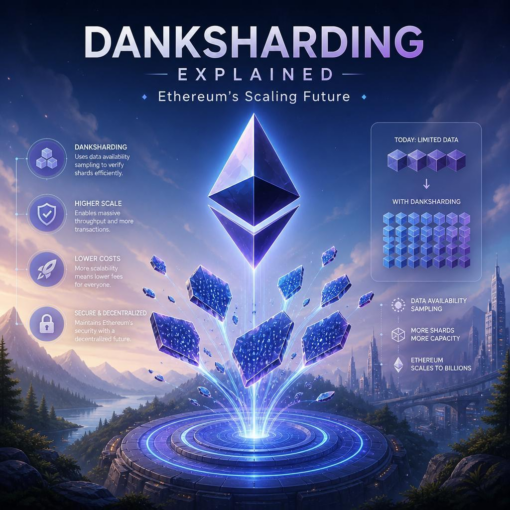
Danksharding redesigns how Ethereum handles data for rollups, lowering costs and increasing capacity without asking every validator to process every transaction.