Understanding the Hard Fork: Revolutionary Changes in Blockchain Technology
A hard fork in blockchain technology isn’t just a technical hiccup; it’s a seismic shift that rewrites the rules, dividing the community and reshaping the currency’s future.

A hard fork in blockchain technology isn’t just a technical hiccup; it’s a seismic shift that rewrites the rules, dividing the community and reshaping the currency’s future.
Plasma, an early Layer 2 scaling solution for Ethereum, aimed to handle more transactions by offloading data and computations from the main blockchain. Its complex designs faced challenges, leading to the exploration of other scaling techniques.
Solidity is the backbone of Ethereum, powering the creation of decentralized applications and smart contracts. Mastering it is essential for builders in the blockchain space.

Running an Ethereum validator demands a minimum of 32 ETH, crucial for participating in the network’s consensus mechanism and ensuring security and stability.

Ethereum wallets are essential for interacting with the blockchain, managing cryptocurrencies, and executing smart contracts. Mastering private keys is crucial for security and control over your digital assets.
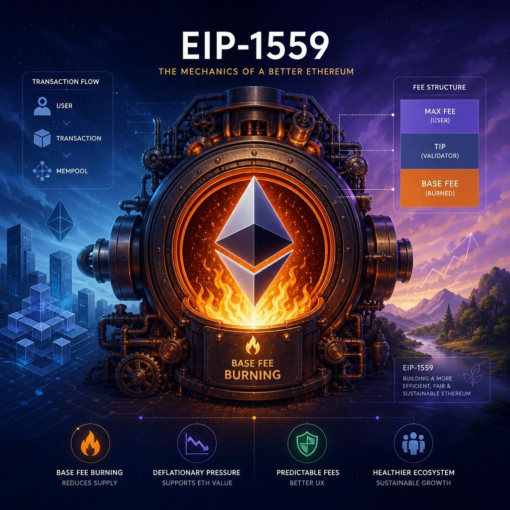
EIP-1559 introduced base fee burning to Ethereum, fundamentally altering transaction fee dynamics. This mechanism not only stabilizes gas prices but also incinerates fees, reducing ether supply and enhancing network security.
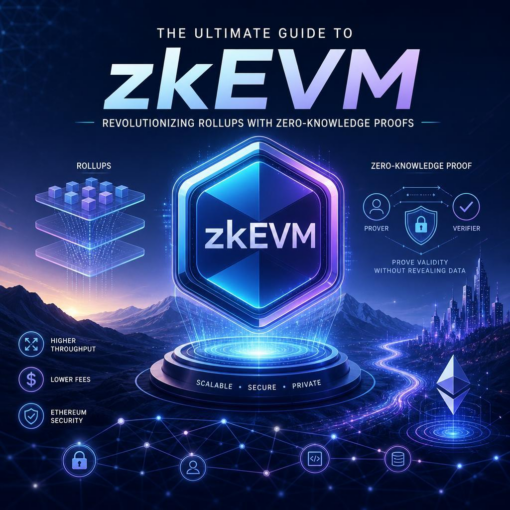
Zero-knowledge rollups are redefining blockchain scalability, and zkEVM stands out for its compatibility with Ethereum Virtual Machine. This guide demystifies the tech behind this cryptographic marvel.
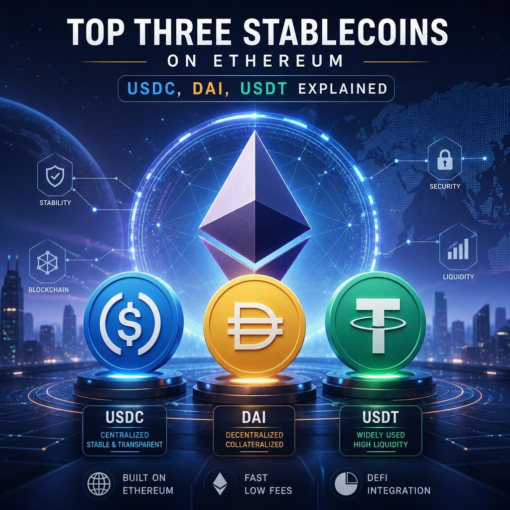
In the world of decentralized finance (DeFi), stablecoins like USDC, DAI, and USDT anchor volatile cryptocurrency markets with their peg to fiat currencies or other forms of collateral, ensuring stability for traders and investors.
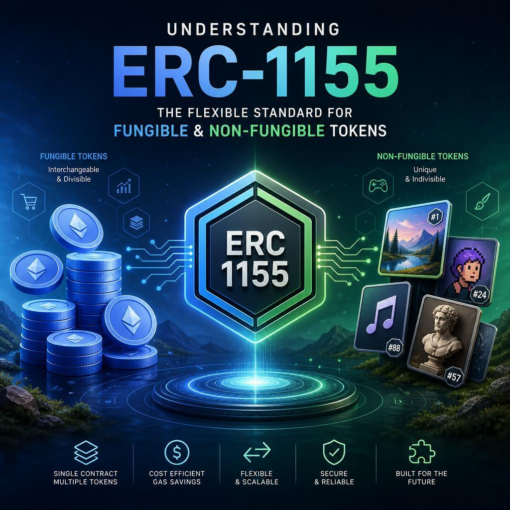
ERC-1155 stands out in the crypto world by handling both fungible and non-fungible tokens with unmatched flexibility, offering developers a versatile solution that reduces complexity and enhances efficiency.

Ether, or ETH, is the native cryptocurrency fueling the Ethereum network, essential for transactions and executing smart contracts on its decentralized platform.