
The Dominance of ERC-721: The Standard for Most NFTs Explained
ERC-721 stands tall as the cornerstone standard for non-fungible tokens, underpinning the vast majority of unique digital assets on Ethereum, from Cryptokitties to art and beyond.

ERC-721 stands tall as the cornerstone standard for non-fungible tokens, underpinning the vast majority of unique digital assets on Ethereum, from Cryptokitties to art and beyond.

MakerDAO is the brainchild of crypto visionaries, crafting DAI, a stablecoin tethered to the U.S. dollar but devoid of traditional banking flaws, steering the course of decentralized finance.

Miner Extractable Value (MEV) in blockchain isn’t just a complex financial concept; it’s a critical mechanism shaping network dynamics. Understanding MEV is key to grasping how miners profit beyond transaction fees, influencing decentralization and security.

Ethereum faucets offer a straightforward way to obtain free testnet ETH, crucial for developers testing smart contracts and dApp features without real-world financial risk.

Soft forks in blockchain technology allow for updates that maintain backward compatibility, ensuring that older nodes remain functional while new rules take effect. This nuanced approach to upgrading networks is crucial for balancing innovation and stability.

The Original Ethereum Consensus: Delving into Proof of Work (PoW), exploring the foundational technology that secured Ethereum’s early days before the shift to Proof of Stake.

Blockchain explorers are essential tools for diving into the details of cryptocurrency transactions and addresses. They offer transparency and insight into the blockchain’s immutable ledger, crucial for users and developers alike.

The Merge marked Ethereum’s transition from energy-intensive Proof of Work to more sustainable Proof of Stake, reshaping blockchain security and scalability.

Smart contracts offer efficiency, but they’re not immune to hacks. Safeguarding your digital agreements demands vigilance and a robust understanding of potential vulnerabilities.
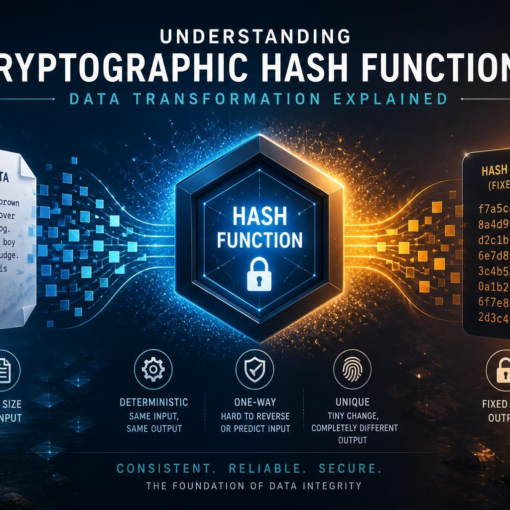
Cryptographic hash functions are essential tools in cryptography, transforming data into a fixed-size string that ensures data integrity and security through unique, irreversible outputs.