
Security risks and Mitigation Strategies for Cross-Chain Transactions
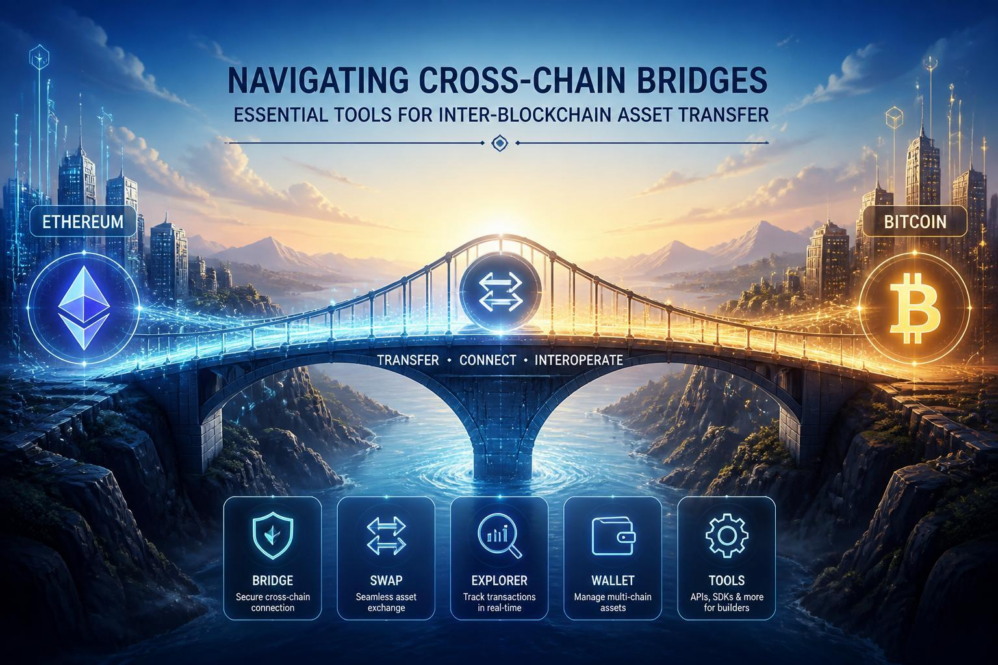
Cross-chain bridges are like bridges in the real world-they connect diffrent blockchain ecosystems,allowing users to transfer assets without leaving their preferred network. Though, these bridges also introduce new vulnerabilities. For example, if a bridge fails to verify transactions properly or doesn’t secure its smart contracts well, users can face important risks, such as theft or loss of funds. Understanding these risks is critical to maintaining the integrity and safety of cross-chain transactions.
One major security risk is the exposure to smart contract vulnerabilities. When users interact with a bridge, they typically execute a smart contract that manages their assets during the transfer process. If this contract has flaws, hackers can exploit these weaknesses to initiate unauthorized transactions or drain user balances. To mitigate such risks,it’s essential to thoroughly audit smart contracts and regularly monitor for new vulnerabilities. users should only engage with bridges that have a reputable track record and are transparent about their security measures.
Another critical aspect to address is the centralization risk. Some cross-chain bridges rely on centralized components, such as custodians or intermediaries, which can introduce single points of failure. If these components are compromised or malfunction, entire networks can suffer. To reduce this risk, users should seek out bridges that prioritize decentralization and resilience. These systems are less susceptible to targeted attacks and can better withstand operational disruptions. Moreover, users should research the bridge’s governance model to ensure it aligns with security best practices.
Lastly, transaction security is paramount. Users must be vigilant about transaction details, such as ensuring the correct input address and verifying transfer amounts. Many bridges offer security features like multi-signature wallets that require multiple approvals to finalize transactions, adding an extra layer of protection. Another useful feature is the replay protection mechanism, which prevents the same transaction from being processed twice. These measures not only safeguard assets but also build user confidence in the reliability of cross-chain bridges.By adopting these practices,users can navigate the complex ecosystem of cross-chain transactions with greater peace of mind,ensuring their assets remain secure and their financial activities frictionless.
optimizing Gas Fees and Transaction Speeds Across Blockchains
Optimizing gas fees and transaction speeds across blockchains is a delicate balancing act. It requires a keen understanding of the underlying mechanisms and the latest tools available to developers and users alike.The heart of the matter lies in the varying costs and performance characteristics of different networks, which can considerably impact the efficiency of cross-chain transactions. Users aiming for the best possible outcomes must first consider the current state of the network they are planning to interact with.Is it congested with high demand, pushing gas prices through the roof? or are fees relatively low, allowing for more affordable operations? Understanding these dynamics is crucial for managing costs effectively.Several strategies can be employed to optimize gas fees and transaction speeds without sacrificing security or integrity. One popular approach is to monitor and take advantage of off-peak times for blockchain networks. This low-demand period often results in lower gas prices, which can be a godsend for bulk transactions or large transfers. Another technique involves using layer 2 solutions or sidechains that offer faster transaction processing at a fraction of the cost. These solutions act as complementary layers to the main blockchain, providing a more streamlined path for transactions. A quick comparison of some common strategies might look like this:
| Method | Pros | Cons |
|---|---|---|
| Using Layer 2 Solutions | Lower fees, faster speeds | Less accessible, may require setup |
| Operating During Off-Peak Hours | Significantly reduced fees | Time-sensitive, less versatility |
Moreover, choosing the right cross-chain bridge plays a crucial role in optimizing these aspects. Different bridges come with their own set of features and optimizations tailored to specific use cases. For example, some bridges offer native support for tokens like Wrapped Bitcoin (WBTC), providing users with a direct, low-cost path for cross-chain transfers. The choice of which bridge to use can greatly influence the overall efficiency and cost-effectiveness of any cross-chain transaction.
navigating the complex terrain of cross-chain transfers requires a combination of informed choices and strategic planning. By staying learned about the latest developments in blockchain technology and the available tools for optimizing gas fees and transaction speeds,users can successfully navigate the challenges of cross-chain transactions.Whether through leveraging layer 2 solutions, timing transactions to coincide with off-peak periodsor selecting the right bridge for the job, there are always ways to make cross-chain transactions smoother and more economical.
Best Practices for Safeguarding Assets During Inter-Blockchain Transfers
Safeguarding your digital assets during inter-blockchain transfers should be a top priority. With the increasing complexity of blockchain ecosystems, understanding and implementing best practices is critical. Start by ensuring that you are using well-established and audited cross-chain bridges, as these platforms have undergone rigorous testing to guarantee their reliability and security. Always verify the reputation of the bridge by reviewing community feedback, recent auditsand any known security incidents. This caution can prevent costly losses due to phishing or platform vulnerabilities.
Another crucial step in safeguarding your assets is to understand the specific protocols and standards employed by the cross-chain bridge you intend to use. Different bridges may have varying levels of security measures and recovery procedures in place. A thorough understanding of these can help you avoid common pitfalls such as unexpected transaction fees or unconfirmed transfers. For instance, it’s vital to know whether the bridge uses multi-signature wallets for additional security or if it supports advanced features like decentralized oracles for data verification and validation.
One effective strategy is to use hardware wallets for storing your tokens and signing transactions on the blockchain. These devices provide an extra layer of security,as they are physically isolated from the internet,making it harder for hackers to gain access to your private keys. consider using services like multisig wallets, which require multiple parties to sign off on a transaction before it gets executed.This reduces the risk of a single point of failure. Another simple yet powerful measure is to enable two-factor authentication (2FA) for all your wallets and exchanges connected to the cross-chain bridges.
it’s essential to stay informed and vigilant. Keep an eye out for security updates and any irregularities in the way your assets behave. Regularly monitor your accounts and be cautious of any unauthorized activity. It’s also beneficial to have a robust backup recovery process in place. For instance, write down your recovery seed phrases and store them in a secure location, away from digital systems. This precaution ensures that even in the event of a device failure or loss, you have a method to regain access to your funds.Being proactive about these measures can significantly mitigate the risks associated with cross-chain transfers.


